Morning Sunlight After 60: A Simple Start to Better Days and Better Sleep
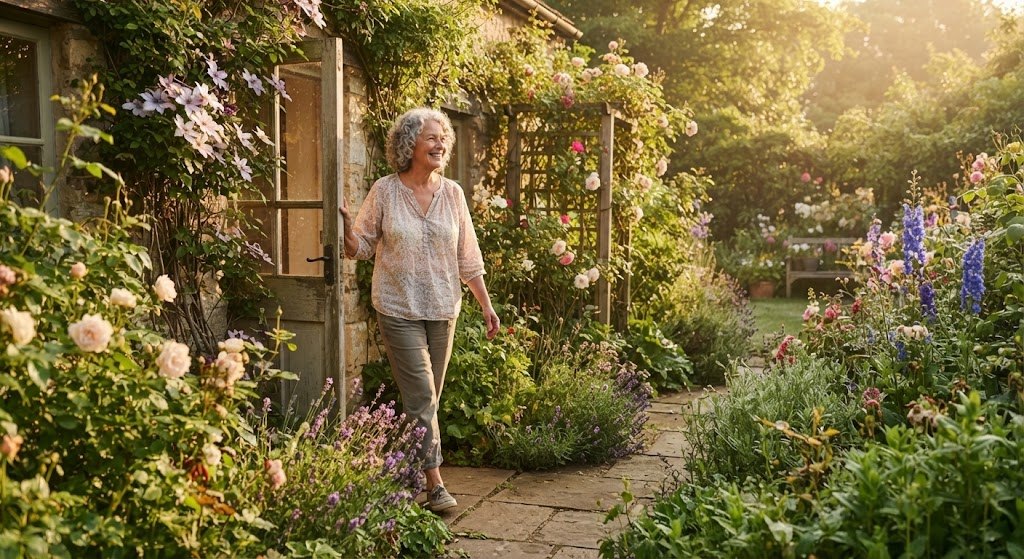
Take the case of Brenda, a 68-year-old retired teacher who found herself lying awake at 3:00 AM several nights a week. During the day, she felt sluggish, often relying on afternoon naps and multiple cups of coffee just to feel alert. She assumed her broken sleep was just an inevitable part of getting older, something she simply had to live with.
When a wellness coach suggested a remarkably simple, completely free intervention—stepping outside for a few minutes of natural morning light every day—Brenda was skeptical. But within just one week of making it a daily habit, her internal clock shifted. She found herself falling asleep easier at night, waking up less frequently, and greeting the morning with a natural surge of steady energy.
The secret wasn't a supplement or a mattress upgrade; it was light. As we age, our internal biological clock becomes softer and less sensitive, making daily daylight cues more important than ever.
Here is how you can use morning sunlight to transform your sleep, your mood, and your daily energy after 60.
1. What Morning Light Does to Your Body Clock
Deep inside your brain sits a master biological clock—a tiny cluster of cells called the suprachiasmatic nucleus. This internal clock controls your circadian rhythm, telling your body when to be alert and when to wind down.
When morning sunlight hits specialized receptors in your eyes, it sends an immediate, powerful signal to your brain: The day has begun. This natural flash of light triggers a healthy spike in cortisol (your daytime alertness hormone) and sets a biological timer in your brain. Roughly 12 to 14 hours after that morning light exposure, your brain starts releasing melatonin, the hormone that allows you to fall into deep, restorative sleep. Without morning light, your body clock drifts out of alignment, leading to fragmented nights and groggy days.
2. How to Do It Step-by-Step
Getting the right light exposure doesn't require complicated equipment or hours outdoors. You can easily build it into your morning routine:
Get outside soon after waking: Try to step outdoors within the first hour of waking up. This is when your eyes are most sensitive to light cues.
Keep your eyes uncovered: Do not wear sunglasses while doing this. Your eyes need the unfiltered outdoor light to register the photons properly. (Eyeglasses and regular prescription lenses are fine, but dark sunglasses block the necessary signal).
Combine it with gentle movement: Make it an active start by taking a short morning walk or spending 10 minutes tending to your garden. As we explore in our guide on the top 5 reasons a daily 20-minute walk is the ultimate longevity tool, pairing daylight with light movement doubles the benefits for your heart and metabolism.

3. Cloudy Days, Winter, and Short Mornings
You might wonder what happens when you wake up to gray skies, heavy clouds, or dark winter mornings. Does outdoor light still work?
The answer is a resounding yes. Even on a heavily overcast or rainy day, outdoor natural light is exponentially brighter than the indoor lighting in your home or office. While a sunny morning might give you the signal in 5 to 10 minutes, a cloudy morning simply means you should stay outside a little longer—perhaps 15 to 20 minutes—to let enough natural photons reach your eyes. The weather changes, but your biology still relies on that outdoor sky.
4. Common Mistakes to Avoid
To get the most out of your morning routine, watch out for these three common traps:
Staying indoors all morning: Looking out through a closed glass window completely defeats the purpose. Window glass blocks the specific wavelengths of light your brain needs to set its clock. You must physically step outside.
Relying on indoor lights: Standard household lamps and overhead bulbs are far too dim to trigger your circadian rhythm. They feel bright to your eyes, but they are a fraction of the intensity of natural outdoor daylight.
Staring directly at the sun: Never look straight at the sun. You do not need to gaze at the sun itself; simply being outside with the open sky above you is more than enough for your eyes to register the ambient light.
5. How to Make It a Daily Habit
The easiest way to make morning sunlight a permanent part of your lifestyle is to "habit stack" it onto things you already do every morning:
The Coffee Routine: Brew your morning coffee or tea and take your mug out to the porch or patio for 10 minutes.
The Breakfast Spot: If you have a sunny kitchen window or outdoor seating area, enjoy your breakfast where the morning light reaches you.
The Morning Stroll: Pair your light exposure with physical activity by taking a short walk around your neighborhood. If you want to dive deeper into restoring your sleep cycles, check out our complete breakdown on the top 5 ways to fix broken sleep architecture after 60.
Key Takeaway for DrAIFIT Readers
Improving your sleep and boosting your daily energy doesn't have to be complicated or expensive. By stepping outside for a few minutes of natural morning sunlight, you give your body the exact biological signal it craves to stay vibrant and balanced.
(Safety Note: Never stare directly at the sun. Always talk with a qualified healthcare professional or eye specialist if you have any personal concerns regarding your vision, eye health, or chronic sleep patterns.
Medical disclaimer: DrAIfit provides general educational information and is not a medical service. This content does not diagnose, treat, cure, or prevent disease. Speak with a qualified healthcare professional before changing your diet, exercise, supplements, or medications, especially if you have a medical condition or take prescription medication.
Get the Free Healthy Aging Guide
Inside the free guide, you'll find the top protein sources for keeping your muscles strong as you age, simple meal-timing strategies for steady all-day energy, everyday foods that help your body fight inflammation naturally, and the #1 supplement mistake adults over 60 make — all explained in plain language you can put to use this week.
Get the Free Healthy Aging GuideSent straight to your inbox — free, no spam, unsubscribe anytime.