Top 5 Expert Approved daily habits and foods to protect your vision after 60

Take the case of Arthur, a 68-year-old retired accountant. Arthur loved his evening drives to visit his grandchildren, but over the past year, twilight had become a terrifying ordeal. The glare from oncoming headlights felt blinding, and street signs appeared washed out and blurry. He assumed he was just experiencing normal, unchangeable aging and that stronger glasses were his only option.
When Arthur visited his optometrist, the prescription change was minimal. The real issue was a thinning of his macula and severe dry eye. His doctor explained that the tiny blood vessels and tissues in the eyes require specific internal protection and nutrients that standard lenses cannot provide. By adjusting his daily screen habits, wearing proper UV protection, and loading his plate with lutein-rich dark leafy greens and omega-3 fatty acids, Arthur's glare sensitivity subsided within three months, and he comfortably regained his confidence behind the wheel at night.
Losing your vision or struggling with night glare is not a mandatory part of getting older. Your eyes are highly resilient organs, but they require targeted care and specific nutritional building blocks to continue functioning at their peak.
If you want to protect your independence and keep your vision sharp, here are the top 5 daily habits and foods to safeguard your eye health after 60.
1. Eat Your "Internal Sunglasses" (Lutein & Zeaxanthin)
Your macula is the part of your retina responsible for sharp, central vision and blocking out harsh glare. It is protected by a layer of pigment made entirely of two antioxidants: lutein and zeaxanthin. Your body cannot produce these on its own, meaning if you don't eat them, your macular pigment literally thins out. To rebuild this internal shield, you must consume dark, leafy greens like cooked kale and spinach, or whole eggs (where the fats in the yolk dramatically improve nutrient absorption).
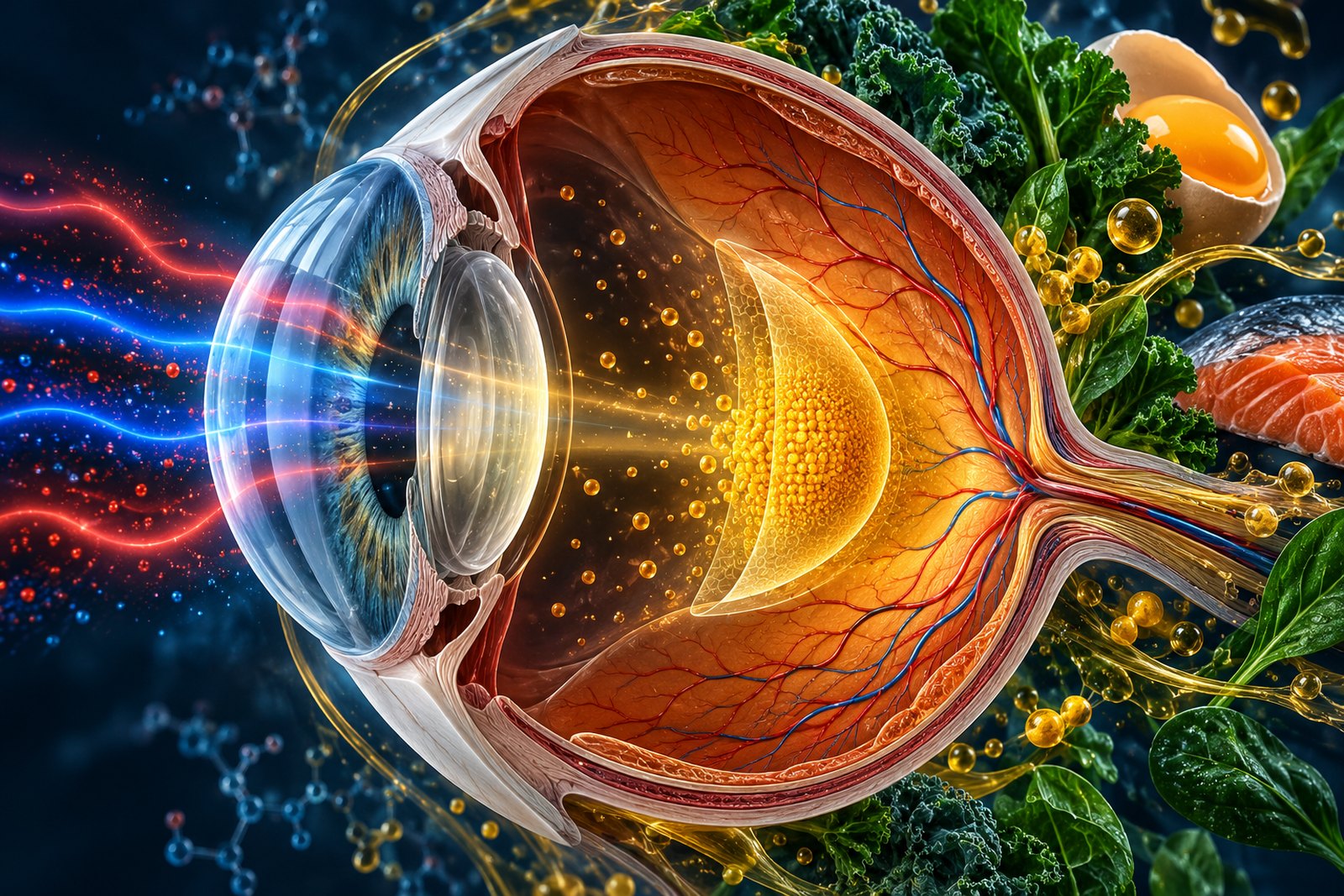
2. Hydrate Your Eyes with High-Dose Omega-3s
As we age, our tear glands naturally produce less fluid, leading to chronic dry eye. However, the root problem is frequently a lack of oil. Your tears are covered in a microscopic lipid layer that prevents them from evaporating into the air. If you lack Omega-3 fatty acids, this oil layer breaks down, leaving your eyes feeling gritty, dry, and irritated. Incorporating wild-caught salmon, mackerel, or a high-grade EPA/DHA Omega-3 supplement stabilizes this tear film and keeps your eyes comfortably lubricated.
3. Practice the 20-20-20 Rule for Screen Strain
Whether you are reading news on a tablet or scrolling on your phone, staring at digital screens reduces your natural blink rate by up to 60%. This drastically accelerates eye strain and surface dryness. To combat this, eye specialists recommend the 20-20-20 rule: for every 20 minutes you spend looking at a screen, look at an object at least 20 feet away for at least 20 seconds. This simple habit forces the focusing muscles inside your eyes to relax and reset.
4. Wear Wrap-Around UV Protection
We routinely apply sunscreen to our skin, but we often forget our eyes. Chronic exposure to ultraviolet (UV) rays from the sun actively damages the delicate proteins inside the lens of your eye, accelerating the formation of cataracts. You should wear sunglasses that block 100% of UVA and UVB rays every single time you step outside—even on cloudy days, as UV rays easily penetrate cloud cover. Wrap-around styles provide superior defense by blocking light from leaking in through the sides.
5. Stabilize Blood Sugar to Protect Fragile Retinal Vessels
Your retinas are powered by some of the smallest, most fragile blood vessels in your entire body. When your blood sugar frequently spikes and crashes from eating a highly processed diet, these delicate vessels become inflamed and begin to leak. Keeping your blood sugar stable by prioritizing a high-protein, low-sugar diet is one of the most effective ways to protect the long-term structural integrity of your vision.
The Power of Leafy Greens and Carotenoids
To understand how Arthur successfully rebuilt his macular pigment, look at the staggering difference in lutein and zeaxanthin concentrations across common foods.
The data proves that while carrots remain a healthy snack for general Vitamin A intake, if you want to protect your vision from glare and age-related decline, you must prioritize dark leafy greens in your daily meals.
Immediate Next Steps & Verification Checklist
To safeguard your vision and implement these eye care practices starting today, complete the following verification checklist:
[ ] Incorporate Lutein Sources: Add at least one serving of cooked kale or spinach (or omega-rich eggs) to your daily meal plan.
[ ] Set Screen Reminders: Apply the 20-20-20 rule during computer or tablet use to prevent digital eye strain.
[ ] Audit UV Protection: Verify that your everyday sunglasses block 100% of UVA and UVB rays before heading outdoors.
[ ] Download Your Nutritional Guide: Access the Free Ultimate Protein Guide for Adults Over 50 to secure the exact daily amino acid targets required to support tissue repair and structural longevity throughout your entire body, including your eyes.
Medical disclaimer: DrAIFIT provides general educational information and is not a medical service. This content does not diagnose, treat, cure, or prevent disease. Speak with a qualified healthcare professional before changing your diet, exercise, supplements, or medications, especially if you have a medical condition or take prescription medication.
Get the Free Healthy Aging Guide
Inside the free guide, you'll find the top protein sources for keeping your muscles strong as you age, simple meal-timing strategies for steady all-day energy, everyday foods that help your body fight inflammation naturally, and the #1 supplement mistake adults over 60 make — all explained in plain language you can put to use this week.
Get the Free Healthy Aging GuideSent straight to your inbox — free, no spam, unsubscribe anytime.