Top 5 Expert Approved truths about red light therapy after 60 (and why your device might not be working)
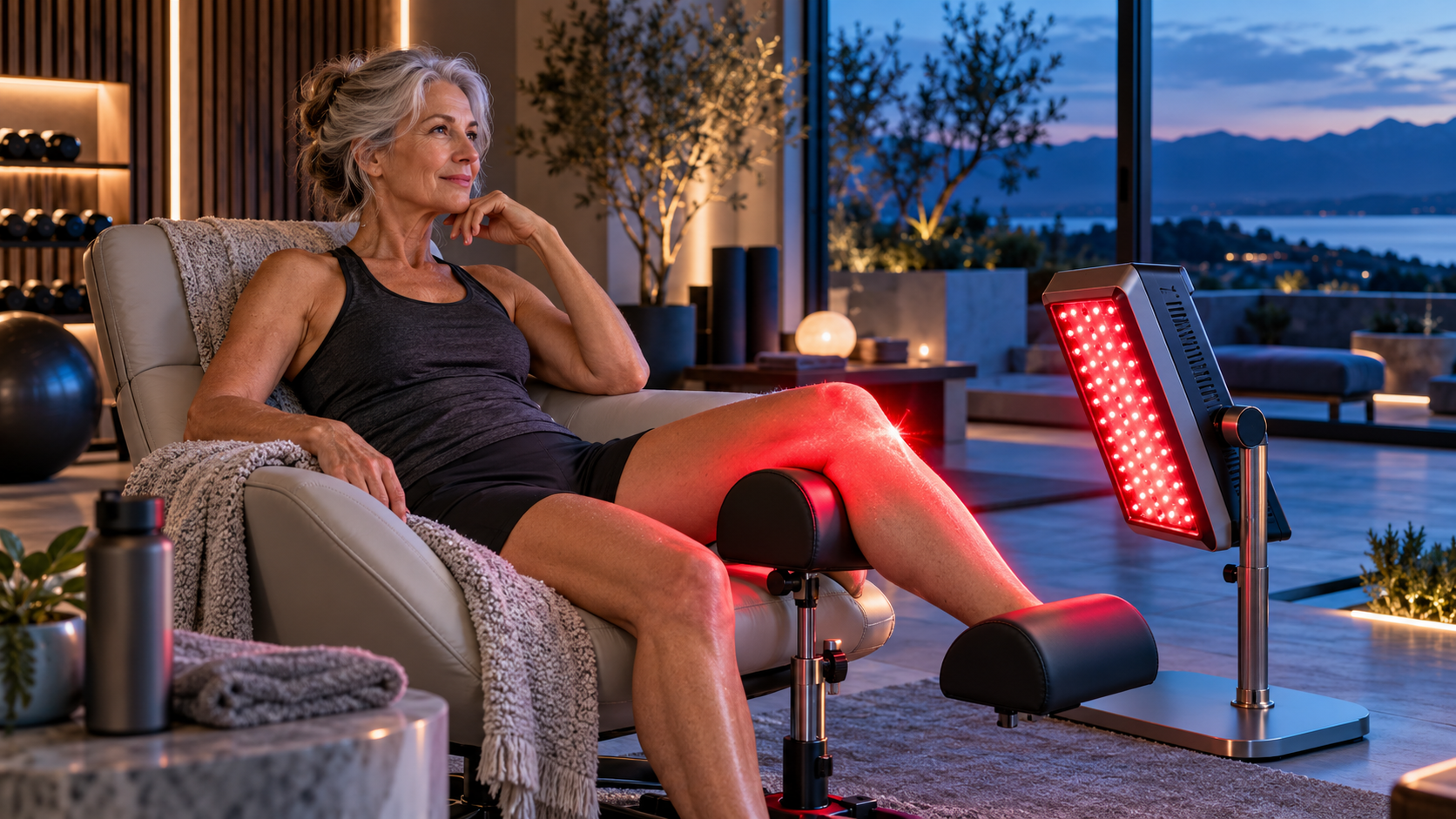
Take the case of Margaret, a 67-year-old retired librarian. Struggling with lingering knee pain and thinning skin, Margaret saw an ad on social media for a cheap, $30 red-light therapy wrap. She bought it, strapped it to her knee every night for a month, and felt absolutely nothing. Frustrated, she threw it in the closet, convinced that "light therapy" was nothing but modern-day snake oil.
A few months later, her physical therapist used a clinical-grade red light on her knee after a session. Within hours, the deep, aching stiffness had vanished. Margaret was stunned. The therapist explained the crucial difference: Margaret’s cheap online device was basically just a red string of Christmas lights. It didn't possess the specific wavelengths or power density required to actually penetrate her skin. When Margaret upgraded to an FDA-cleared device with verified clinical output, her knee pain finally subsided, and the skin on her legs became noticeably firmer.
Red light therapy is not a scam, but it has become one of the most over-hyped and misrepresented wellness trends on the internet.
If you want to use light to heal your joints and skin without getting ripped off, here are the top 5 scientific truths about red light therapy after 60.
1. The Science is Real (Photobiomodulation)
The medical term for red light therapy is photobiomodulation. The science is well-documented in clinical literature. Inside your cells are tiny power plants called mitochondria. When specific photons of light hit a particular enzyme inside those power plants (cytochrome c oxidase), it acts like a biological spark plug. It instantly triggers your cells to produce more ATP (cellular energy), release nitric oxide for better blood flow, and initiate deep tissue repair. The biological mechanism is absolute fact; the problem lies in the devices people use.
2. The "Goldilocks" Wavelengths
You cannot just put a red lightbulb in a lamp and expect your arthritis to heal. Clinical trials show that to penetrate human tissue, fat, and skin, the light must fall into a highly specific spectrum—usually between 600 and 1,000 nanometers. Red light (around 630-660 nm) is perfect for stimulating collagen on the surface of the skin. Near-infrared light (around 800-850 nm) is invisible to the human eye, but it penetrates deep enough to reach muscles and joints. If a device manufacturer does not explicitly state their nanometer (nm) output, do not buy it.
3. More is NOT Always Better (The Biphasic Dose)
We are conditioned to believe that if 10 minutes of a treatment is good, an hour must be better. With red light therapy, that is entirely false. Scientists call this the "biphasic dose response." In plain English, it means there is a strict biological sweet spot. Giving your cells a precise 10-to-15-minute dose of light stimulates repair. But if you leave the light on for an hour, it actually overstimulates the tissue, canceling out the benefits and rendering the treatment completely ineffective.
4. The Massive Gap Between Labs and Living Rooms
When you read a headline that says "Red Light Therapy Cures Joint Pain," that headline is based on a clinical trial. In those trials, doctors use highly calibrated, expensive medical devices positioned at exact distances from the patient's skin. The cheap LED masks and wands sold by social media influencers almost never possess the "irradiance" (power density) required to push the photons deep into your tissue. You are paying for the illusion of therapy, not the clinical dosage.
5. FDA Clearance is Your Ultimate Shield
Because the wellness market is flooded with cheap knock-offs, federal regulators like the FDA have started cracking down on companies making wild, unproven medical claims. When shopping for a device, look for the words "FDA-Cleared." This means the manufacturer actually had to submit safety and efficacy data to the government proving that their device delivers the specific therapeutic light it promises.
Affiliate disclosure: DrAIFIT may receive compensation if you purchase through this link. This does not increase the price you pay. Disclosure
Why Clinical-Grade Matters
To understand why Margaret's cheap $30 wrap failed while her physical therapist's light succeeded, you have to understand tissue penetration.
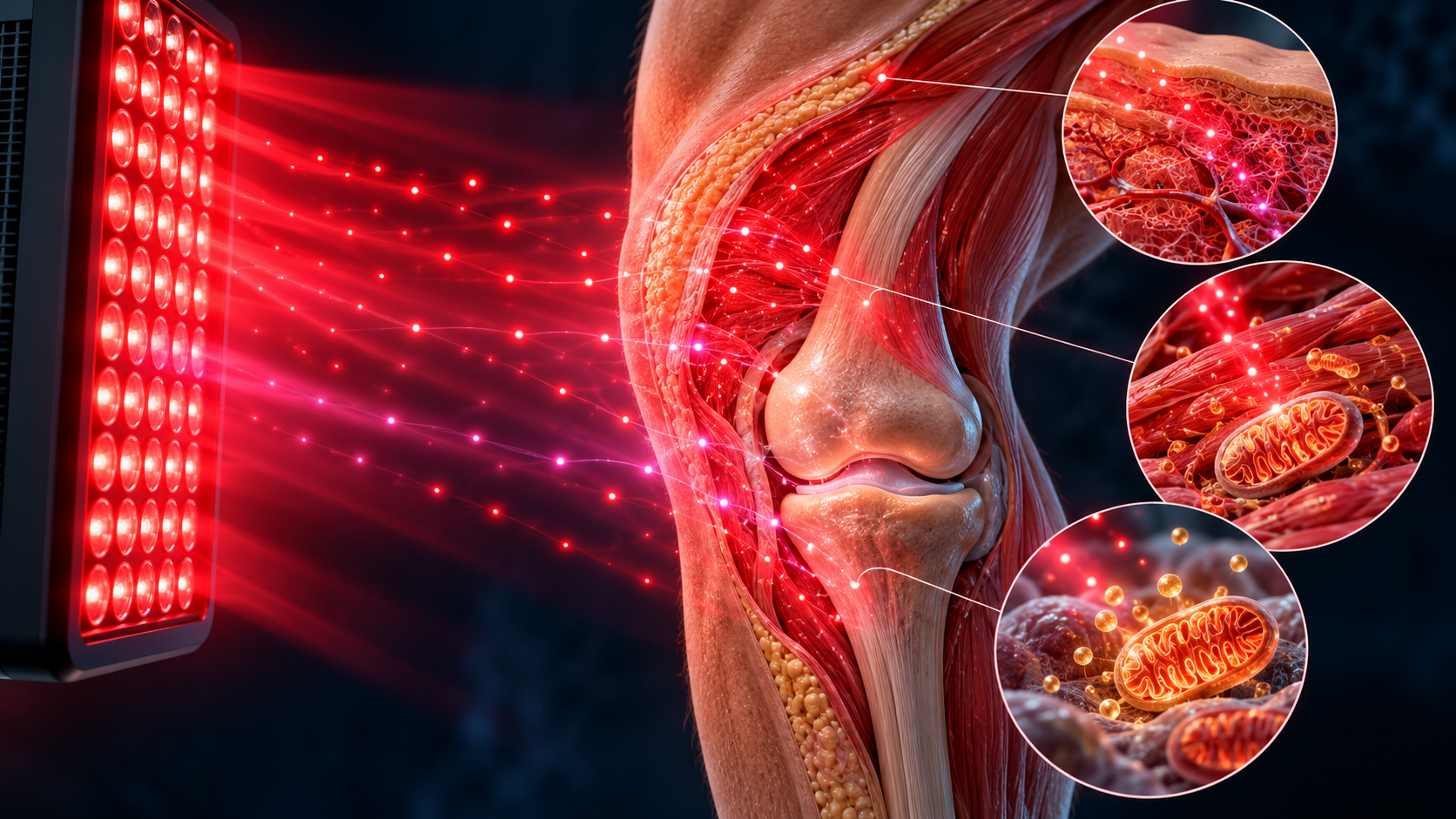
The data proves that if you are trying to heal a stiff knee or a sore lower back, a weak surface-level light will never reach the problem area.
Key takeaway for DrAIFIT readers
Red light therapy is a phenomenal, science-backed tool for healthy aging, provided you use the right equipment. Do not fall for cheap, social media gimmicks. If you want to experience real, clinical benefits at home, you must invest in FDA-cleared devices like reVive Light Therapy, which are scientifically engineered to deliver exact, therapeutic wavelengths directly into your joints and tissue.
Affiliate disclosure: DrAIFIT may receive compensation if you purchase through this link. This does not increase the price you pay. Disclosure
While light therapy gives your cells the energy they need to start repairing themselves, those cells still require physical building blocks to finish the job. Download our Free Ultimate Protein Guide for Adults Over 50 to ensure you are eating the exact amino acids your body needs to rebuild your collagen and joints from the inside out.
Considering red light for your face? Read our MitoGLOW Face Mask Review: Worth It After 60?
Medical disclaimer: DrAIFIT provides general educational information and is not a medical service. This content does not diagnose, treat, cure, or prevent disease. Speak with a qualified healthcare professional before changing your diet, exercise, supplements, or medications, especially if you have a medical condition or take prescription medication.
Get the Free Healthy Aging Guide
Inside the free guide, you'll find the top protein sources for keeping your muscles strong as you age, simple meal-timing strategies for steady all-day energy, everyday foods that help your body fight inflammation naturally, and the #1 supplement mistake adults over 60 make — all explained in plain language you can put to use this week.
Get the Free Healthy Aging GuideSent straight to your inbox — free, no spam, unsubscribe anytime.