Top 5 Expert Approved ways to build stronger bones and prevent fractures after 60
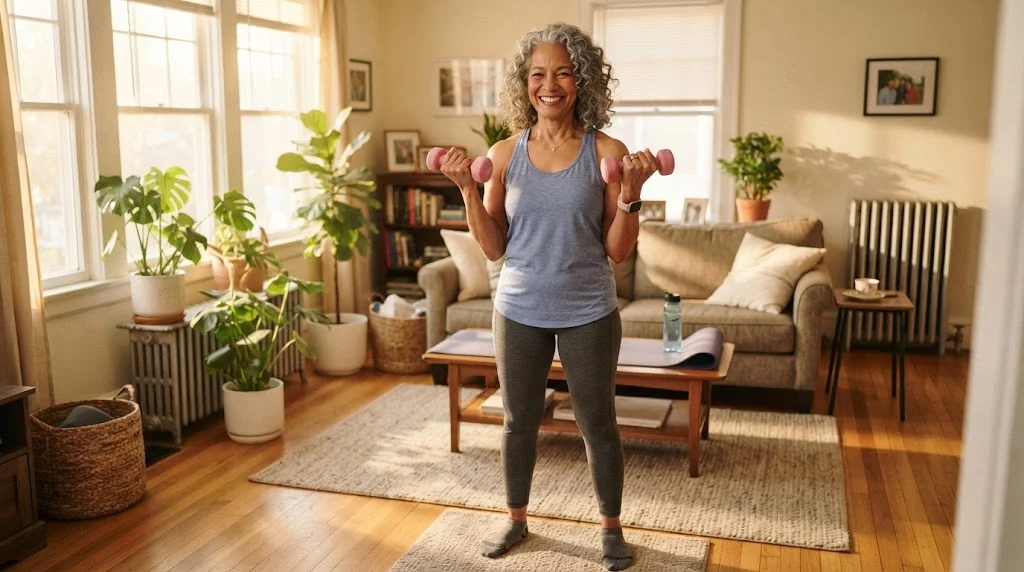
Take the case of Clara, a 72-year-old grandmother who loved gardening and spending time with her grandchildren. During a routine checkup, her doctor suggested a standard DEXA bone density scan. The results showed mild osteopenia—a thinning of her bones. Clara was devastated, assuming that bone loss was an inevitable one-way street once you crossed age 60.
Her doctor corrected a common misconception: bone is not a static, lifeless rock; it is living, dynamic tissue that constantly breaks down and rebuilds itself every single day. By trading her sedentary habits for targeted resistance exercises, optimizing her daily protein intake, and ensuring she got the right nutrients, Clara actually improved her bone density scores on her next scan two years later.
As we age, protecting our skeletal strength is essential for maintaining total independence. If you want to keep your bones strong and resilient, here are the top 5 science-backed ways to build bone density and prevent fractures after 60.
1. Embrace "Mechanical Loading" (Resistance & Impact)
For decades, many older adults were told to avoid lifting heavy things to protect their joints. Modern bone science has completely flipped that script. Bones only grow stronger when they are forced to adapt to physical stress—a principle known as Wolff's Law. When you apply gentle, progressive resistance (such as lifting light weights, doing wall push-ups, or taking brisk walks), the mechanical pull of your muscles stimulates specialized cells called osteoblasts to lay down fresh, dense mineral matrix inside your bones.
2. Recognize That Bone is Made of Protein, Not Just Calcium
When people think of bone health, they instantly think of calcium. But calcium is only half the equation. The structural framework—the scaffolding that gives your bones flexibility and resilience—is actually made of collagen and protein. If you eat a low-protein diet, your bone matrix becomes brittle, much like reinforced concrete without the steel rebars. Anchoring every meal with a palm-sized portion of high-quality protein provides the vital amino acids your skeleton needs to stay structurally sound.
3. Master the Calcium and Vitamin D Synergy
Calcium is essential for hardening your bone matrix, but your body cannot absorb dietary calcium without Vitamin D acting as a biological key. As we age, our skin becomes less efficient at synthesizing Vitamin D from sunlight, and our kidneys process it more slowly. Ensuring you get adequate Vitamin D through sunlight exposure, fatty fish, or targeted supplementation ensures that the calcium you eat actually reaches your bones rather than passing through your system unused.
4. Protect Your Balance to Prevent Fractures
The most dangerous part of thinning bones isn't the thinning itself; it's the risk of a fall. Building unbreakable bones goes hand-in-hand with training your nervous system and core stability to catch you if you stumble. Incorporating daily balance exercises—such as single-leg stands near the kitchen counter or gentle core-bracing movements—drastically reduces the likelihood of a hard fall that leads to fractures.
5. Limit Bone-Leaching Habits
Just as important as what you add to your routine is what you eliminate. Consuming excessive amounts of sodium, ultra-processed foods, and heavy alcohol can accelerate the rate at which your kidneys excrete calcium, gradually robbing your skeleton of vital minerals over time. Swapping out processed snacks for whole, nutrient-dense foods protects your mineral balance.
The Bone Density Trajectory
To understand why Clara was able to reverse her osteopenia, look at how skeletal density responds when you shift from a sedentary lifestyle to a program of mechanical loading and proper nutrition.
Medical disclaimer: DrAIfit provides general educational information and is not a medical service. This content does not diagnose, treat, cure, or prevent disease. Speak with a qualified healthcare professional before changing your diet, exercise, supplements, or medications, especially if you have a medical condition or take prescription medication.
Try the Free Daily 5 Checklist
Use the 5 habits from this article every day — check them off online, one box at a time.
Open the Free Daily 5 ChecklistGet the Free Healthy Aging Guide
Inside the free guide, you'll find the top protein sources for keeping your muscles strong as you age, simple meal-timing strategies for steady all-day energy, everyday foods that help your body fight inflammation naturally, and the #1 supplement mistake adults over 60 make — all explained in plain language you can put to use this week.
Get the Free Healthy Aging GuideSent straight to your inbox — free, no spam, unsubscribe anytime.