Top 5 Expert Approved ways to protect your joint health and stay mobile after 60
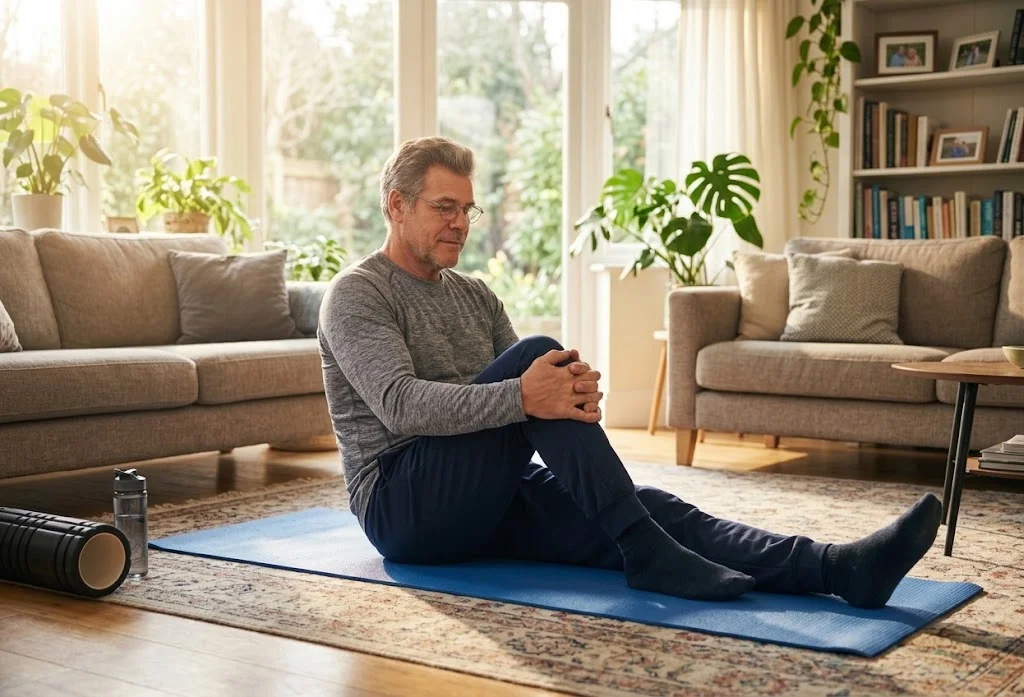
Take the case of Raymond, a 70-year-old avid golfer who found himself dreading the back nine. Lately, a dull, aching stiffness in his right knee and lower back turned his favorite pastime into an uncomfortable chore. By the time he got out of bed in the morning, his joints felt rusted in place, and he assumed he was simply dealing with permanent, age-related "bone-on-bone" wear and tear.
When Raymond mentioned this to his physical therapist, he learned a surprising fact: cartilage does not have a direct blood supply. It stays healthy and nourished entirely by movement, acting like a sponge that drinks in joint fluid when compressed and squeezed. By sitting on the couch to protect his joints, Raymond was actually starving them of nutrients. When he swapped complete rest for gentle, low-impact loading, paired with targeted light therapy for recovery, his morning stiffness vanished within a month, and he was back to playing 18 holes pain-free.
As we cross age 60, protecting our joint mobility is essential for maintaining total independence. If you want to keep moving with confidence, here are the top 5 science-backed ways to protect your joint health.
1. Embrace Low-Impact "Joint Loading"
The worst thing you can do for stiff joints is stop moving them entirely. Cartilage relies on movement to absorb synovial fluid (the body's natural lubricant). Without motion, cartilage dries out and thinks it no longer needs to maintain itself. Low-impact activities like swimming, cycling, or brisk walking put safe, rhythmic pressure on your joints, forcing fresh nutrients directly into the cartilage matrix.
2. Quench Systemic Joint Inflammation
Joint pain is rarely just mechanical; it is almost always fueled by systemic inflammation. When your diet is heavy in refined sugars, processed seed oils, and simple carbohydrates, your immune system keeps your joints in a constant state of low-grade irritation. Eliminating inflammatory triggers and emphasizing omega-3 fatty acids (from wild-caught fish or flaxseeds) cools down the inflammatory fire, allowing your joints to move smoothly.
3. Feed Your Cartilage with Collagen and Protein
Your ligaments, tendons, and joint capsules are built almost entirely out of protein and collagen. As we age, our natural collagen production slows down significantly. If you aren't eating enough high-quality protein, your body literally lacks the raw materials required to repair micro-wear inside your joints. Anchoring every meal with a palm-sized portion of clean protein ensures your body has the amino acids needed to reinforce your structural framework.
4. Soothe Stiffness with Targeted Light Therapy
When joint stiffness flares up after a long day or a workout, reaching for over-the-counter pain pills every day can irritate your digestive lining. Many active adults use FDA-cleared tools like reVive Light Therapy directly on their knees, shoulders, or hands. The therapeutic near-infrared wavelengths penetrate deep beneath the skin to stimulate cellular mitochondria, increasing localized blood flow and rapidly easing joint discomfort without chemicals.
Affiliate disclosure: I may earn a commission if you buy through this link, at no extra cost to you. Learn more.
5. Strengthen the Muscles Surrounding the Joint
Your joints do not work in isolation; they rely entirely on the surrounding muscles to absorb shock. If your knee hurts, the underlying culprit is often weak quadriceps or hamstrings that fail to stabilize the joint properly. Incorporating gentle strength work, such as seated leg extensions or light bodyweight squats, shifts the physical burden off your cartilage and onto strong, supportive muscle tissue.
The Movement-Mobility Connection
To understand why Raymond's joints felt so stiff when he rested, look at how regular low-impact movement preserves joint space compared to a sedentary lifestyle.
Key takeaway for DrAIfit readers
Joint stiffness is not an unavoidable sentence to a sedentary life. By understanding that your cartilage feeds on motion, managing inflammation, and utilizing targeted recovery tools like light therapy, you can reclaim your physical freedom.
Of course, your body cannot rebuild or maintain joint tissue without proper nutritional support. To ensure you are giving your musculoskeletal system the exact raw materials it needs, download our Free Ultimate Protein Guide for Adults Over 50.
Medical disclaimer: DrAIfit provides general educational information and is not a medical service. This content does not diagnose, treat, cure, or prevent disease. Speak with a qualified healthcare professional before changing your diet, exercise, supplements, or medications, especially if you have a medical condition or take prescription medication.
Try the Free Daily 5 Checklist
Use the 5 habits from this article every day — check them off online, one box at a time.
Open the Free Daily 5 ChecklistGet the Free Healthy Aging Guide
Inside the free guide, you'll find the top protein sources for keeping your muscles strong as you age, simple meal-timing strategies for steady all-day energy, everyday foods that help your body fight inflammation naturally, and the #1 supplement mistake adults over 60 make — all explained in plain language you can put to use this week.
Get the Free Healthy Aging GuideSent straight to your inbox — free, no spam, unsubscribe anytime.