Top 5 Expert Approved ways to protect your hearing and stay connected after 60
Take the case of Helen, a 67-year-old grandmother who loved hosting large family dinners. Lately, though, she noticed herself nodding along to conversations without quite catching every word, especially when the grandchildren got loud or background music was playing. She assumed it was just an unavoidable part of getting older and started withdrawing from noisy gatherings.
When Helen mentioned it to a friend, she realized her ears were simply feeling the cumulative effects of a lifetime of everyday sounds, power tools, and busy environments. By making a few small, conscious adjustments to her daily routine, Helen learned how to protect her ears from further strain, keep her listening pathways sharp, and comfortably rejoin the family table with complete confidence.
Your hearing is your bridge to the people and sounds you love most. While some changes in hearing happen naturally over time, you have more control over your auditory wellness than you might think.
If you want to preserve your hearing health and stay fully engaged in everyday life, here are the top 5 practical ways to protect your ears after 60.
1. Shield Your Ears from Loud Noises
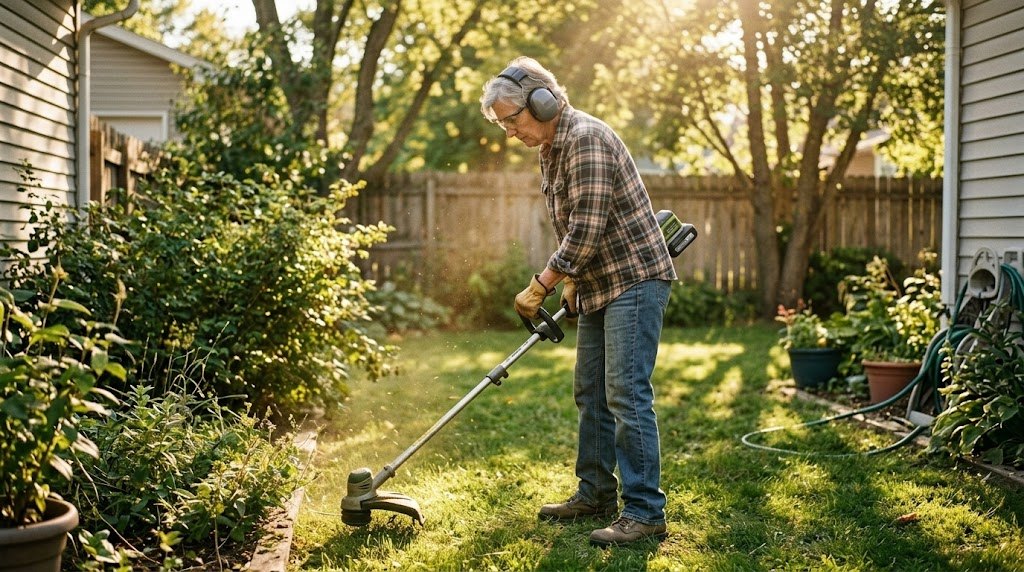
Loud sounds—whether from lawnmowers, leaf blowers, power tools, or live music concerts—can cause gradual wear and tear on the delicate hair cells inside your inner ear. Once these tiny cells are damaged, they do not grow back. Whenever you are tackling noisy household chores, operating power equipment, or attending a loud event, make it a habit to slip on quality earplugs or protective earmuffs. A few seconds of preparation goes a long way toward preserving your long-term hearing.
2. Keep Headphone Volume in Check and Take Breaks
Listening to music, audiobooks, or podcasts through earbuds and headphones is a wonderful daily pleasure, but volume matters immensely. Keep your device volume below 60% of its maximum capacity. Furthermore, give your ears regular resting breaks. Following the "60/60 rule"—listening at no more than 60% volume for a maximum of 60 minutes at a time—gives your inner ear tissues valuable time to rest and recover.
3. Ditch the Deep Cotton-Swab Cleaning
It is an old habit for many of us, but sticking cotton swabs deep into your ear canal is actually counterproductive. Your ears are naturally self-cleaning organs, moving wax outward on their own. Using a swab often pushes earwax deeper, packing it tightly against your eardrum and potentially causing temporary muffling, irritation, or blockages. Keep your cleaning to the outer ear only, and let your body manage the rest.
4. Schedule Regular Hearing Check-Ins
Just as you check your blood pressure or schedule regular eye exams, monitoring your hearing should be a routine part of your wellness checklist. Scheduling routine hearing assessments allows you to catch minor changes early, track your baseline wellness, and take proactive steps long before any noticeable difficulties arise. (Note: If you have any specific hearing concerns, sudden changes, or discomfort, always talk with a qualified healthcare professional or audiologist for personalized guidance.)
5. Stay Socially Engaged
Hearing isn't just about your ears; it is an active partnership between your ears and your brain. When people experience mild hearing strain, they sometimes isolate themselves, which unfortunately causes the brain’s auditory processing centers to become sluggish from lack of use. Staying socially active—conversing with friends, joining community groups, and participating in family gatherings—keeps your brain actively practicing speech recognition and keeps your connections strong.

Key takeaway for DrAIFIT readers
Protecting your hearing after 60 isn't about cutting yourself off from the world—it is about taking smart, simple precautions so you can continue enjoying every sound, conversation, and moment with clarity. By shielding your ears from unnecessary loud noises, giving your ears regular listening breaks, and staying socially active, you can protect your auditory wellness for decades to come.
Medical disclaimer: DrAIfit provides general educational information and is not a medical service. This content does not diagnose, treat, cure, or prevent disease. Speak with a qualified healthcare professional before changing your diet, exercise, supplements, or medications, especially if you have a medical condition or take prescription medication.
Get the Free Healthy Aging Guide
Inside the free guide, you'll find the top protein sources for keeping your muscles strong as you age, simple meal-timing strategies for steady all-day energy, everyday foods that help your body fight inflammation naturally, and the #1 supplement mistake adults over 60 make — all explained in plain language you can put to use this week.
Get the Free Healthy Aging GuideSent straight to your inbox — free, no spam, unsubscribe anytime.