How to Evaluate Weight-Loss Supplements Safely
Last reviewed: September 12, 2026
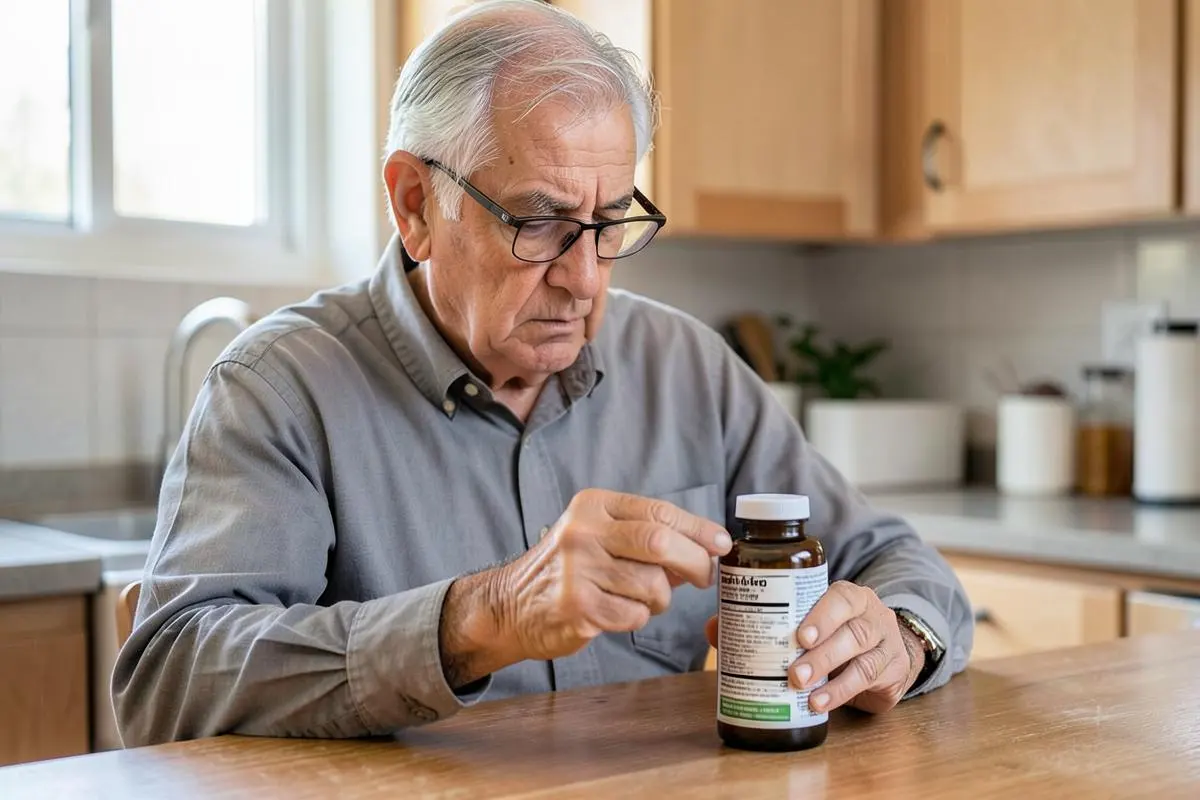
Weight-loss supplements are widely advertised, but a familiar label or “natural” description does not automatically mean a product is safe or effective.
The NIH Office of Dietary Supplements explains that many weight-loss supplements have limited evidence, may be expensive, and can interact with medications. Dietary supplements generally do not go through the same premarket approval process as prescription medicines.
Begin with the reason for considering a supplement
Ask yourself:
- What specific goal am I trying to address?
- Could a medication or medical condition be affecting my weight?
- Am I eating enough nutritious food?
- Am I sleeping adequately?
- Can I move safely?
- Have I discussed this with a healthcare professional?
For adults over 60, a healthcare review is particularly important when taking prescription medications or managing diabetes, high blood pressure, heart disease, liver disease, kidney disease, or other chronic conditions.
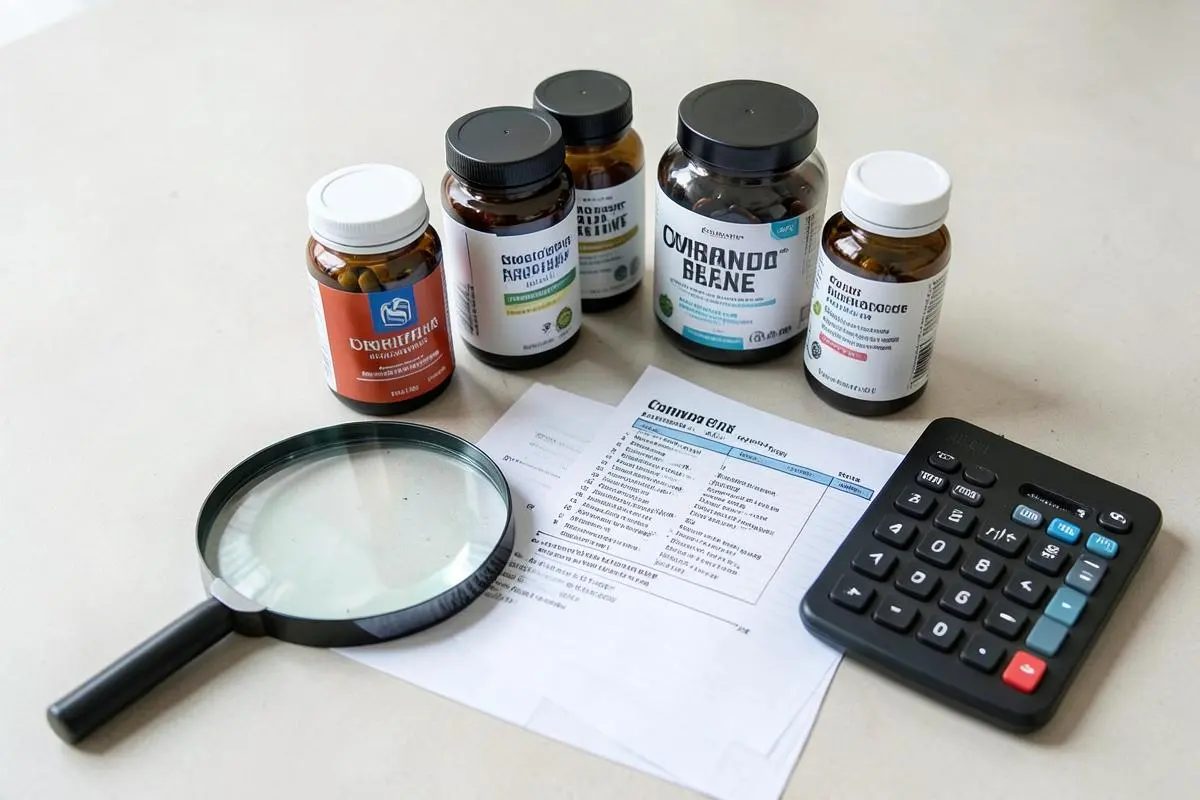
Examine the full ingredient list
Do not rely only on the front of the bottle. Look for:
- Every active ingredient
- The amount of each ingredient
- Serving size
- Caffeine or stimulant ingredients
- Warnings and age restrictions
- Directions for use
- Manufacturer contact information
- Lot or expiration information
“Proprietary blends” can make it difficult to see how much of each ingredient is included. Be cautious when a product emphasizes a secret formula instead of clearly identifying its contents.
Look for realistic evidence
A study involving one ingredient does not automatically prove that a finished product works. Ask:
- Was the finished product studied in humans?
- Were older adults included?
- How many people participated?
- How long did the study last?
- Were results compared with a placebo or another approach?
- Was the study published by a reputable scientific journal?
The NIH notes that many weight-loss products contain combinations of ingredients that have not been adequately tested together. This is one reason individual results and risks may vary.
Recognize warning signs
Be careful with products that promise:
- Effortless or guaranteed weight loss
- “Melted” fat without diet or activity changes
- A secret breakthrough
- No side effects
- Results for everyone
- A cure for a disease
- Immediate results
The Food and Drug Administration warns that some products marketed for weight loss have contained undeclared prescription drugs or other potentially dangerous substances.
Consider the total cost
Calculate the actual cost, including:
- Shipping
- Automatic recurring orders
- Recommended multiple-bottle purchases
- Cancellation requirements
- Return conditions
- Customer-service contact options
Keep a record of the order and read the refund policy before buying.
Ask a professional before starting
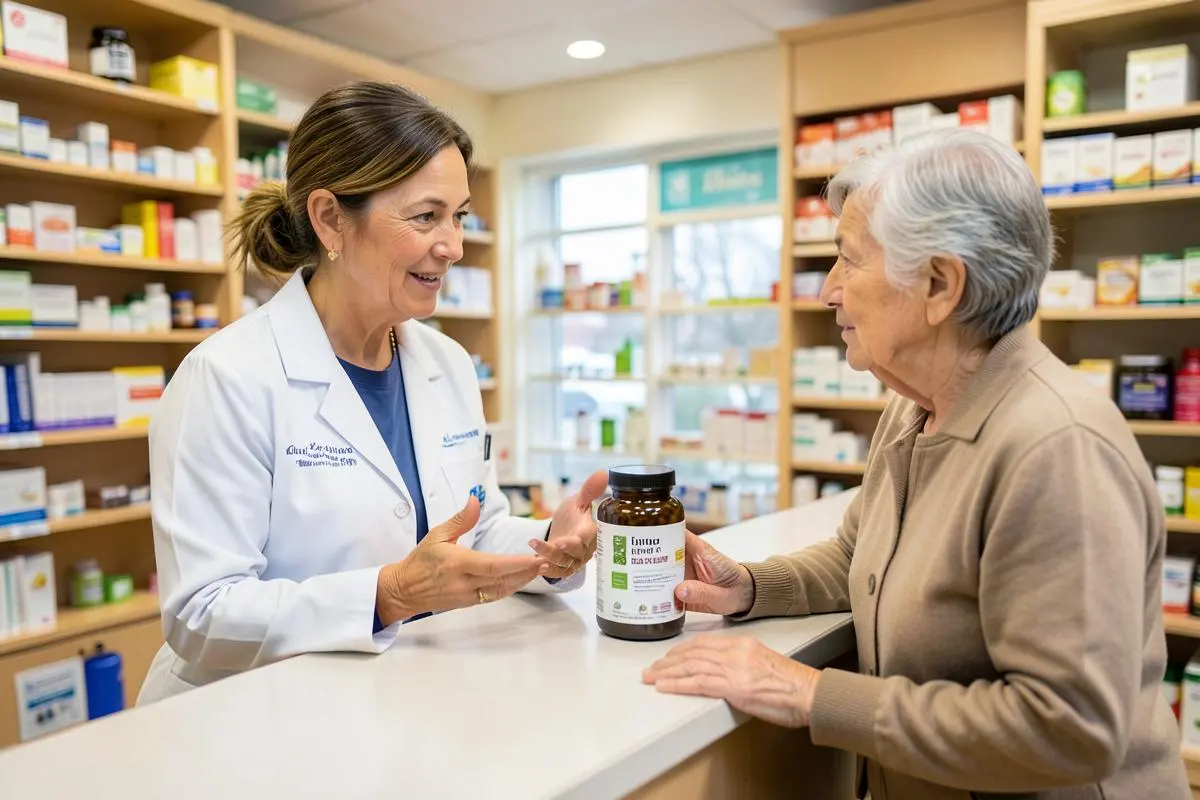
Bring the product label or a photograph of it to your physician, pharmacist, or registered dietitian. Tell them about every prescription medicine, over-the-counter medicine, and supplement you use.
Disclosure: DrAIFIT may earn a commission if you purchase through certain links. This does not increase your cost. Product information and recommendations are provided for general educational purposes.
Get the Free Healthy Aging Guide
Inside the free guide, you'll find the top protein sources for keeping your muscles strong as you age, simple meal-timing strategies for steady all-day energy, everyday foods that help your body fight inflammation naturally, and the #1 supplement mistake adults over 60 make — all explained in plain language you can put to use this week.
Get the Free Healthy Aging GuideSent straight to your inbox — free, no spam, unsubscribe anytime.
Sources and Further Reading
- Dietary Supplements for Weight Loss — Fact Sheet for Consumers — NIH Office of Dietary Supplements
- Weight Loss Product Notifications — U.S. Food and Drug Administration
Last reviewed: September 11, 2026
Medical disclaimer: DrAIFIT provides general educational information and is not a medical service. This content does not diagnose, treat, cure, or prevent disease. Speak with a qualified healthcare professional before changing your diet, exercise, supplements, or medications, especially if you have a medical condition or take prescription medication.