Healthy Weight Management After 60: What Actually Matters
Last reviewed: September 12, 2026

Healthy weight management after 60 is not about chasing a perfect number on the scale. It is about supporting strength, mobility, energy, independence, and overall well-being.
As we age, body composition and activity levels can change. Muscle mass may gradually decline, medications or medical conditions may affect weight, and daily movement may become more difficult. The Centers for Disease Control and Prevention notes that age, sleep, medications, health conditions, genes, and physical activity can all influence body weight.
Start with the whole picture
A healthy approach usually includes four areas:
- Nutritious food
- Regular movement
- Muscle and balance training
- Adequate sleep and recovery
No single food, exercise, or supplement can replace the overall pattern.
A practical eating pattern can include vegetables, fruit, beans, lentils, whole grains, seafood, eggs, poultry, nuts, seeds, and other nutrient-dense foods. The National Institute on Aging emphasizes varied protein foods and nutrient-dense choices as people get older.
Protect muscle while managing weight
Rapid weight loss can sometimes include loss of muscle, which may affect strength and balance. Adults over 60 should discuss weight-loss goals with a healthcare professional, especially if they have lost strength, have a low appetite, have diabetes or kidney disease, or take multiple medications.
Include a source of protein with meals when appropriate, such as fish, eggs, yogurt, beans, poultry, tofu, or nuts. The right amount depends on health status, kidney function, activity level, and personal needs.
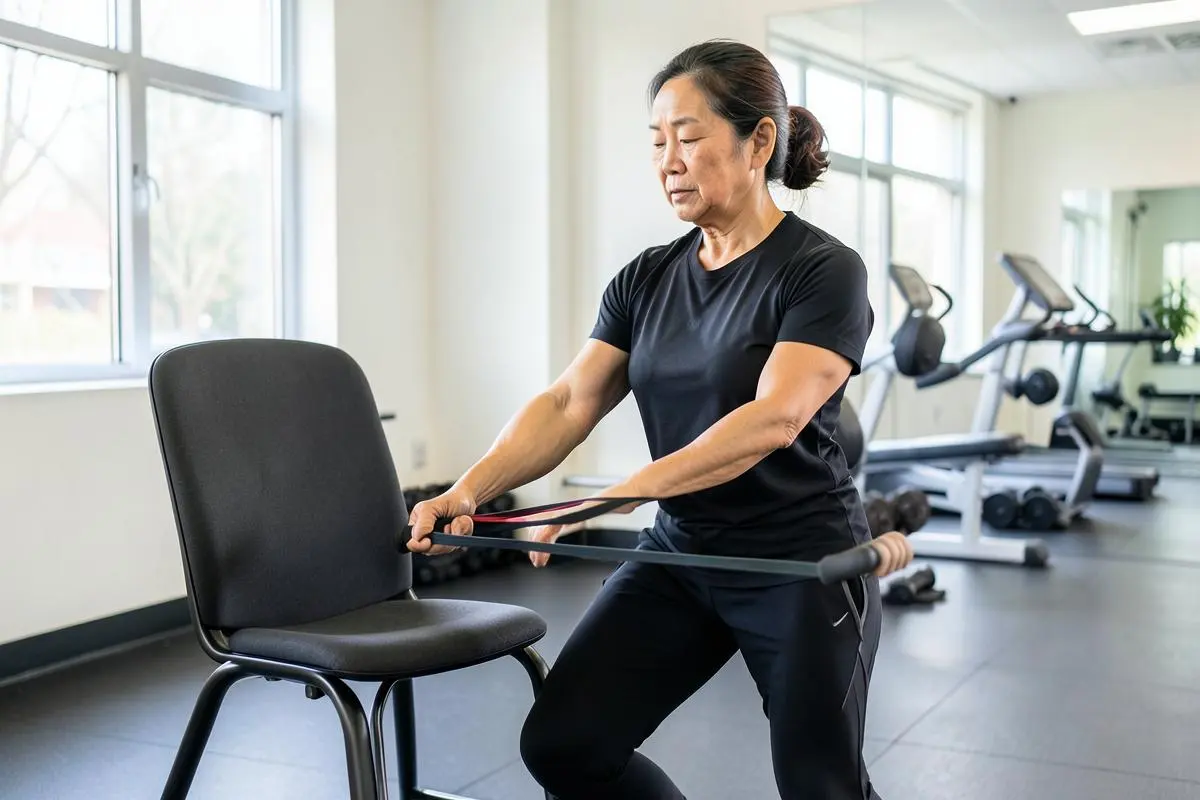
Depending on ability, simple strength exercises can include:
- Rising from a sturdy chair
- Wall push-ups
- Resistance-band exercises
- Light hand weights
- Supported leg raises
Begin slowly and use support when needed.
Move in a safe, sustainable way
Walking is useful, but it does not have to be the only activity. Water exercise, cycling, dancing, gardening, and gentle mobility work may also help.
Federal physical-activity guidance for older adults recommends working toward aerobic, muscle-strengthening, and balance activities, adjusted for individual abilities and health conditions.
If you have been inactive, begin with short periods and build gradually. Stop and seek medical advice if you experience concerning symptoms such as chest pain, faintness, unusual shortness of breath, or severe pain.
Be skeptical of fast promises
Be cautious with programs that promise effortless weight loss, rapid fat burning, or results without changes to eating and activity. Sustainable progress is usually gradual and personal.
A supplement may be something a consumer chooses to investigate, but it should not be the starting point. First consider food quality, movement, sleep, medications, and professional guidance.
For a broader review, read How Adults Over 60 Should Evaluate Weight-Management Products.

A practical first step
For the next week, consider:
- Add a vegetable or fruit to one additional meal.
- Take a short walk or perform gentle movement most days.
- Practice one safe strength or balance exercise.
- Drink fluids regularly unless your healthcare professional has given you different instructions.
- Record how you feel, not only your weight.
Inside the free guide, you'll find the top protein sources for keeping your muscles strong as you age, simple meal-timing strategies for steady all-day energy, everyday foods that help your body fight inflammation naturally, and the #1 supplement mistake adults over 60 make — all explained in plain language you can put to use this week.
Get the Free Healthy Aging GuideSent straight to your inbox — free, no spam, unsubscribe anytime.
Sources and Further Reading
- About Healthy Weight and Growth — CDC
- Healthy Eating As You Age: Know Your Food Groups — National Institute on Aging
- Older Adult Activity: An Overview — CDC
Last reviewed: September 11, 2026
Medical disclaimer: DrAIFIT provides general educational information and is not a medical service. This content does not diagnose, treat, cure, or prevent disease. Speak with a qualified healthcare professional before changing your diet, exercise, supplements, or medications, especially if you have a medical condition or take prescription medication.