Walking and Strength Training for Healthy Aging
Last reviewed: September 12, 2026

Healthy aging is not only about living longer. It is also about maintaining the ability to move, perform daily activities, and remain as independent as possible.
Walking and strength training can work together. Walking supports aerobic activity and routine movement. Strength training helps challenge muscles used for standing, climbing steps, carrying groceries, and other daily tasks.
Start with your current ability
You do not need to begin with an intense workout. If you have been inactive, start with short, comfortable periods of movement.
Possible starting points include:
- A five- to ten-minute walk
- Gentle movement around the house
- Water exercise
- Walking while shopping
- Light gardening
- Seated exercises
Increase time or frequency gradually. A safe activity plan is more useful than an ambitious plan that causes injury or discouragement.
The Centers for Disease Control and Prevention recommends that adults 65 and older work toward aerobic, muscle-strengthening, and balance activities according to their abilities.
Walking ideas
Walking can be adjusted easily:
- Walk on level ground
- Use a treadmill with appropriate support
- Walk with a companion
- Break one longer walk into shorter sessions
- Choose a well-lit route
- Use a cane or walker if prescribed or recommended
Wear comfortable, supportive footwear. If balance is a concern, avoid uneven surfaces and consider asking a physical therapist about a safer routine.
Simple strength exercises
Depending on ability, examples may include:
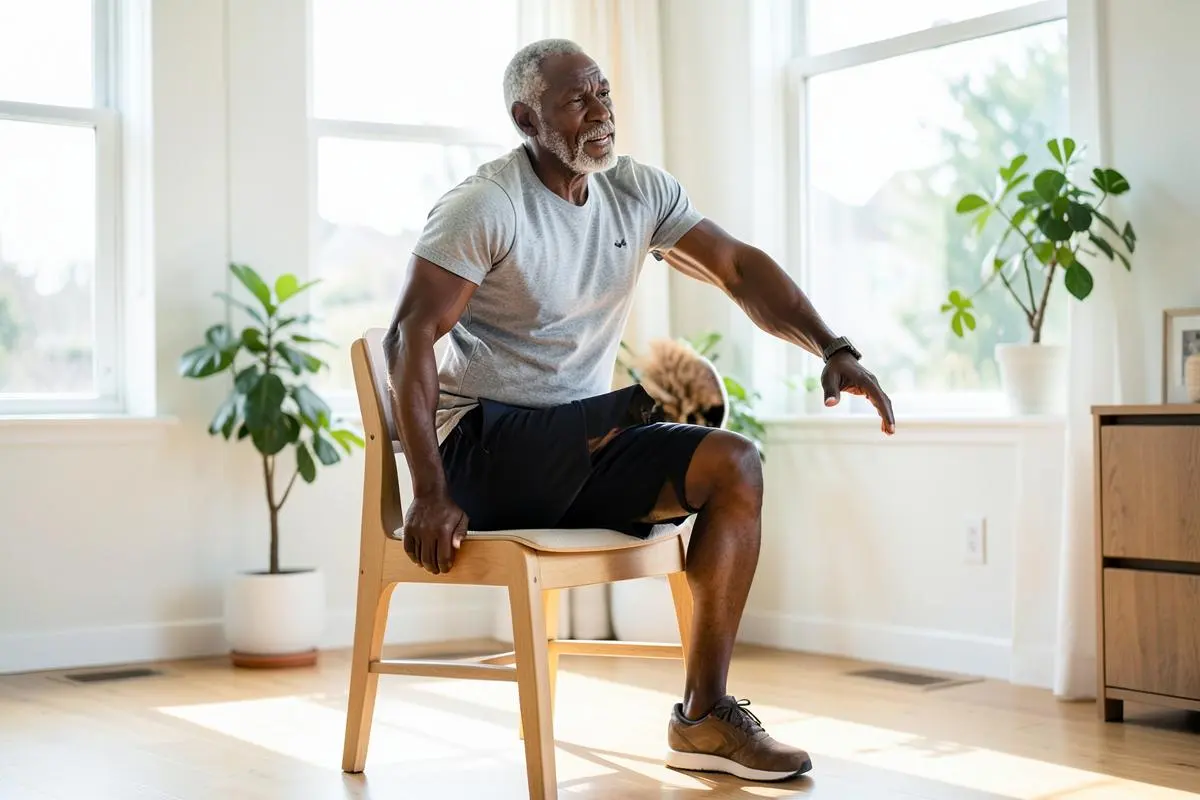
- Sit-to-stand from a sturdy chair
- Wall push-ups
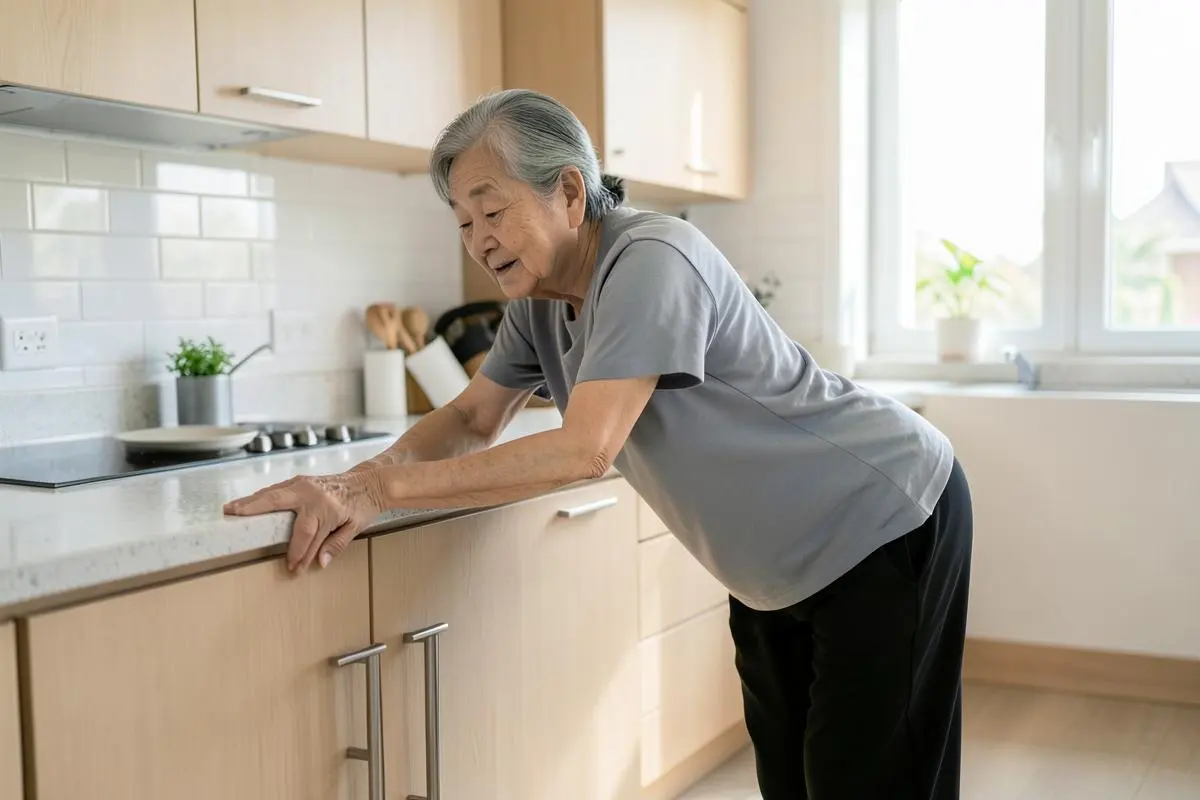
- Heel raises while holding a counter
- Resistance-band rows
- Light hand-weight curls
- Supported step-ups
Move slowly and avoid holding your breath. Start with an amount that allows good control. The goal is not to compete with someone else; it is to gradually maintain or improve function.
If you have osteoporosis, recent surgery, severe arthritis, heart or lung disease, or a history of falls, ask a healthcare professional for individualized instructions.
Do not forget balance
Balance exercises may include:
- Standing near a counter with one hand available
- Heel-to-toe walking with support
- Shifting weight from side to side
- Practicing controlled sit-to-stand movements
Never practice challenging balance exercises where a fall could cause serious injury. A qualified professional can help tailor the exercises.
Pay attention to warning signs
Stop exercising and seek medical guidance for symptoms such as chest pain, fainting, severe shortness of breath, sudden weakness, or severe pain.
The most effective routine is one you can perform consistently and safely. A short walk and a few carefully selected strength exercises may be more valuable than occasional extreme workouts.
For related information, read Healthy Weight Management After 60.
Get the Free Healthy Aging Guide
Inside the free guide, you'll find the top protein sources for keeping your muscles strong as you age, simple meal-timing strategies for steady all-day energy, everyday foods that help your body fight inflammation naturally, and the #1 supplement mistake adults over 60 make — all explained in plain language you can put to use this week.
Get the Free Healthy Aging GuideSent straight to your inbox — free, no spam, unsubscribe anytime.
Sources and Further Reading
Last reviewed: September 11, 2026
Medical disclaimer: DrAIFIT provides general educational information and is not a medical service. This content does not diagnose, treat, cure, or prevent disease. Speak with a qualified healthcare professional before changing your diet, exercise, supplements, or medications, especially if you have a medical condition or take prescription medication.