Choline-Rich Foods That Support Mitochondrial Health and Healthy Aging
Last reviewed: September 12, 2026
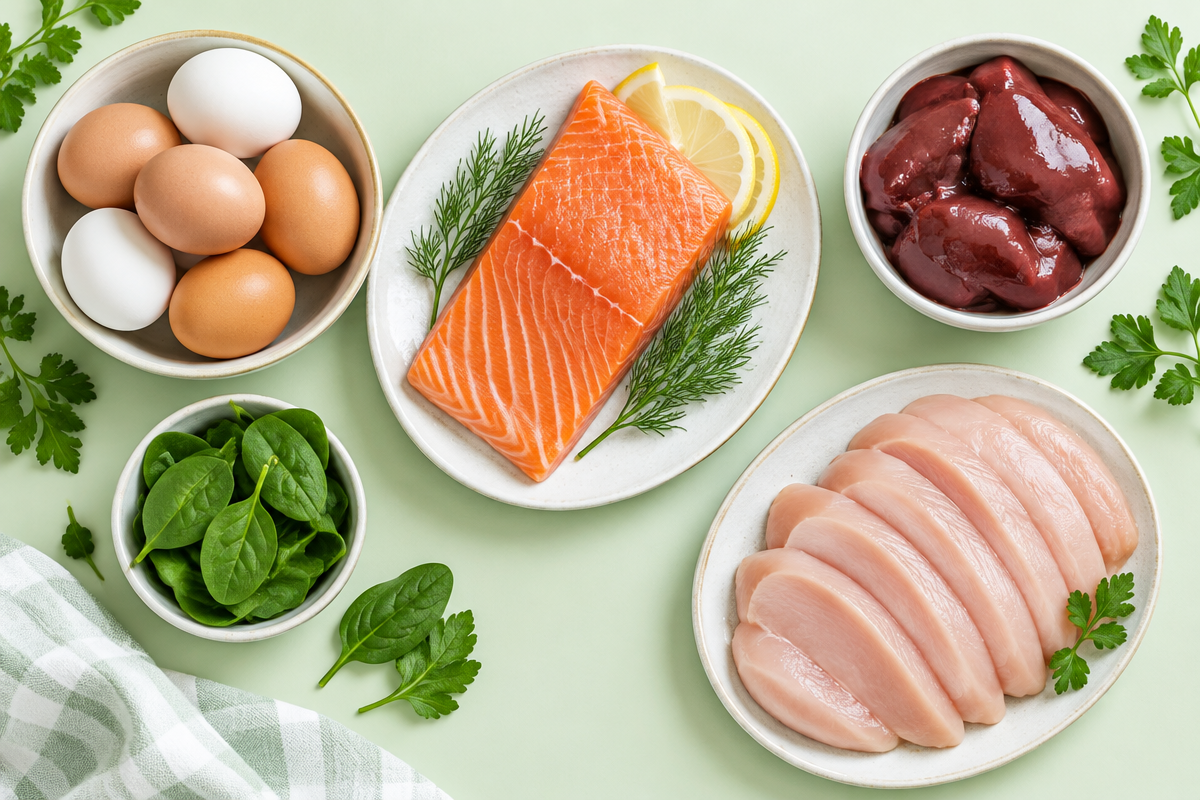
Aging often feels like a slow drain on energy—less stamina, slower recovery, and a noticeable dip in mental sharpness. While many factors contribute to this shift, emerging research highlights a powerful player inside nearly every cell of the human body: the mitochondria.
These tiny organelles transform food and oxygen into chemical energy. They are the engines that keep your body running. But like any engine, they can lose efficiency over time.
A 2026 study published in Nature Communications suggests that a decline in a membrane lipid called phosphatidylcholine may be one reason mitochondria lose flexibility and power as we age. The researchers reported that providing choline or phosphatidylcholine helped restore more youthful mitochondrial behavior in laboratory models (Poliezhaieva et al., 2026). This discovery shines a spotlight on the importance of choline-rich foods—many of which are already known for supporting brain, liver, and metabolic health.
Top 5 foods naturally rich in choline or phosphatidylcholine
The following foods are among the richest dietary sources of choline or phosphatidylcholine, according to the NIH Office of Dietary Supplements. Approximate values are shown; actual amounts vary by preparation.
1. Beef Liver
Beef liver is the most concentrated dietary source of choline, delivering roughly 356–450 mg per 3 oz serving. Because the liver is the body's choline-processing organ, it is naturally rich in phosphatidylcholine, making it a powerful food for supporting mitochondrial membrane health and flexibility.
2. Egg Yolks
Egg yolks contain approximately 290–300 mg of choline per whole egg, making them one of the easiest everyday sources. They are also rich in lecithin, a natural form of phosphatidylcholine that helps maintain healthy cell membranes—including those surrounding mitochondria.
3. Organ Meats (Kidney, Brain, Heart)
Organ meats are nutritional powerhouses with high phosphatidylcholine content:
- Beef kidney: approximately 436 mg per 3 oz
- Beef brain: approximately 417 mg per 3 oz
- Beef heart: approximately 195 mg per 3 oz
These foods may support mitochondrial resilience and energy production.
4. Salmon (and other fatty fish)
Salmon provides approximately 161–191 mg per serving, along with omega-3 fatty acids that support cellular health. This combination may help maintain mitochondrial efficiency and reduce age-related energy decline.
5. Chicken Breast
Chicken breast offers approximately 198 mg per 100 g, making it a lean and accessible source of choline. It is an excellent option for those building a balanced, protein-rich diet that supports metabolic and cellular health.
Why choline matters for healthy aging
The research highlights several key insights:
- Phosphatidylcholine helps mitochondria stay flexible, forming dynamic networks that respond to changing energy needs.
- As levels decline with age, mitochondria may lose their ability to distribute energy efficiently, which can contribute to fatigue and cellular slowdown.
- The decline appears to happen in stages, beginning with stress-resistance changes and progressing to metabolic and epigenetic shifts.
- In laboratory models, providing choline or phosphatidylcholine restored more youthful mitochondrial behavior within days.
- Human data suggest phosphatidylcholine levels may drop around menopause—a time often associated with increased fatigue.
These findings come primarily from laboratory and cell-culture models. More human studies are needed. Even so, the results suggest that dietary choline may play a meaningful role in supporting mitochondrial health, especially during midlife and beyond.
Building a choline-smart diet
Incorporating choline-rich foods into your weekly meals may help support:
- Energy production
- Cellular resilience
- Brain function
- Liver health
- Healthy aging
These foods fit naturally into a balanced, nutrient-dense diet—one that aligns with the DrAIFIT philosophy of science-backed wellness, longevity, and metabolic strength. The National Institute on Aging encourages varied, nutrient-dense food choices as people age.
Key takeaway for DrAIFIT readers
Choline and phosphatidylcholine aren't just nutrients—they are essential building blocks for mitochondrial vitality. As research continues to uncover how mitochondrial aging works, one thing is clear: your diet can play a powerful role in supporting long-term energy, resilience, and healthy aging.
For more practical guidance, read Protein, Fiber, and Hydration: A Practical Guide for Adults 30+.
Disclosure: DrAIFIT may earn a commission if you purchase through certain links. This does not increase your cost. Product information and recommendations are provided for general educational purposes.
Get the Free Healthy Aging Guide
Inside the free guide, you'll find the top protein sources for keeping your muscles strong as you age, simple meal-timing strategies for steady all-day energy, everyday foods that help your body fight inflammation naturally, and the #1 supplement mistake adults over 60 make — all explained in plain language you can put to use this week.
Get the Free Healthy Aging GuideSent straight to your inbox — free, no spam, unsubscribe anytime.
Sources and Further Reading
- Choline — Fact Sheet for Consumers — NIH Office of Dietary Supplements
- Aging-associated decline of phosphatidylcholine synthesis is a malleable trigger of natural mitochondrial aging — Nature Communications
- Healthy Eating As You Age: Know Your Food Groups — National Institute on Aging
Last reviewed: September 11, 2026
Medical disclaimer: DrAIFIT provides general educational information and is not a medical service. This content does not diagnose, treat, cure, or prevent disease. Speak with a qualified healthcare professional before changing your diet, exercise, supplements, or medications, especially if you have a medical condition or take prescription medication.