Protein, Fiber, and Hydration: A Practical Guide for Adults 30+
Last reviewed: September 12, 2026
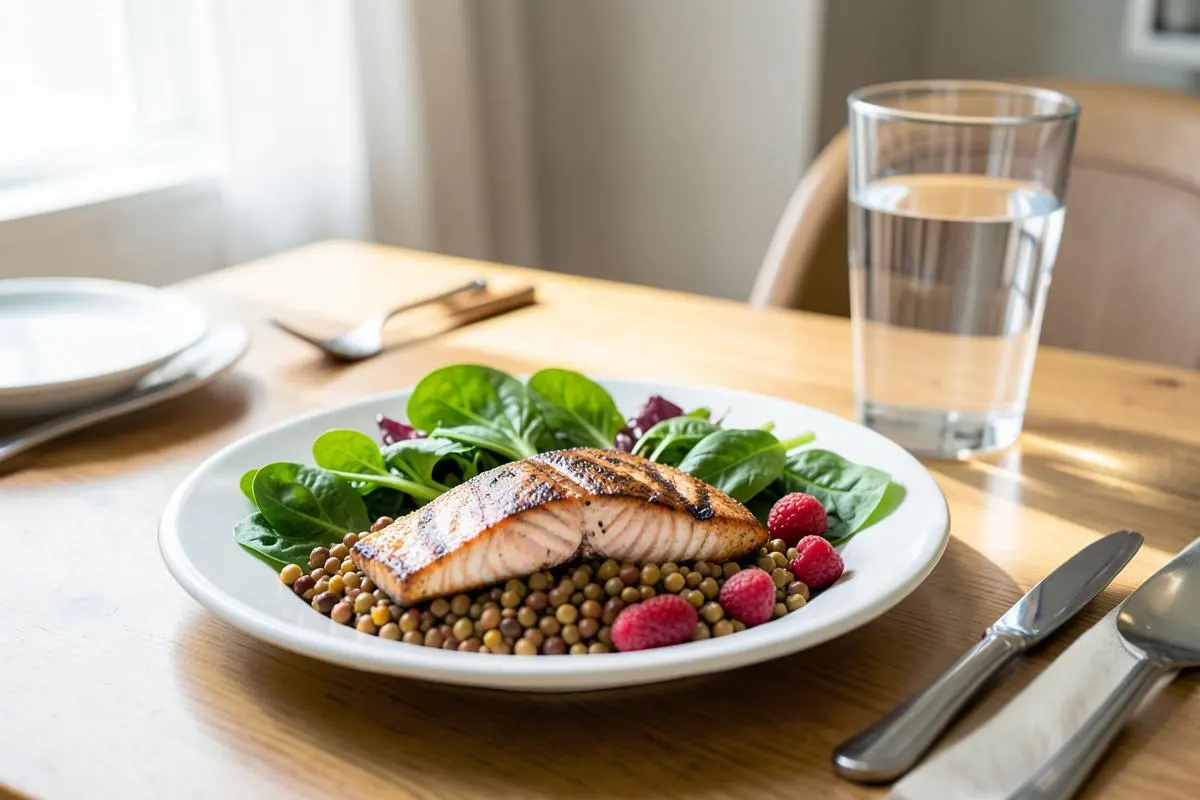
Protein, fiber, and fluids support many ordinary body functions. Together, they can help form a more satisfying and nutritious eating pattern for adults 30+, including older adults who want to maintain strength and independence.
Individual needs vary. A person’s age, activity level, medical conditions, medications, kidney function, and appetite can all affect what is appropriate.
Protein supports everyday function
Protein helps the body build and repair tissues. It is found in foods such as:
- Fish and seafood
- Eggs
- Poultry
- Yogurt and milk
- Beans and lentils
- Tofu and soy foods
- Nuts and seeds
The National Institute on Aging recommends a variety of nutrient-dense protein foods as people age.
A simple habit is to include a protein food at meals instead of waiting until the end of the day. For example, breakfast might include yogurt or eggs, lunch could include beans or tuna, and dinner might include fish, poultry, tofu, or lentils.
People with kidney disease or other conditions may need individualized protein guidance. Do not make major dietary changes without professional advice.
Fiber supports a balanced eating pattern
Fiber is found naturally in vegetables, fruit, beans, lentils, whole grains, nuts, and seeds. It can contribute to fullness and digestive regularity.
Increase fiber gradually, especially if your current diet is low in fiber. A sudden increase may cause gas or discomfort. Easy additions include:
- Oatmeal with berries
- Beans added to soup
- Lentils in a salad
- An apple instead of juice
- Vegetables added to an omelet
- Whole-grain bread instead of refined bread
Fiber supplements are not automatically better than high-fiber foods. If you use one, follow the label and ask a pharmacist or healthcare professional whether it is appropriate for you.

Hydration requires attention
Thirst may not always be a reliable reminder to drink, particularly for some older adults. Fluids come from beverages and foods such as soups, fruits, and vegetables.
Helpful habits may include:
- Drinking with meals
- Keeping water within reach
- Carrying a refillable bottle
- Including fluids during physical activity
- Asking a healthcare professional about fluid needs
People with heart failure, kidney disease, or other conditions may have fluid restrictions. In those cases, follow the plan provided by your healthcare team.

Put the three together
A balanced meal might include a protein food, a high-fiber vegetable, fruit, bean, or whole grain, and a suitable beverage.
For example, grilled salmon, beans, vegetables, and water provide a combination of protein, fiber-rich foods, and fluid. Another option could be lentil soup with vegetables, whole-grain toast, and fruit.
These foods are not a weight-loss cure. They are building blocks for a healthier eating pattern that may support energy, fullness, digestion, and muscle maintenance.
For additional guidance, read Healthy Weight Management After 60: What Actually Matters.
Disclosure: DrAIFIT may earn a commission if you purchase through certain links. This does not increase your cost. Product information and recommendations are provided for general educational purposes.
Get the Free Healthy Aging Guide
Inside the free guide, you'll find the top protein sources for keeping your muscles strong as you age, simple meal-timing strategies for steady all-day energy, everyday foods that help your body fight inflammation naturally, and the #1 supplement mistake adults over 60 make — all explained in plain language you can put to use this week.
Get the Free Healthy Aging GuideSent straight to your inbox — free, no spam, unsubscribe anytime.
Sources and Further Reading
- Healthy Eating As You Age: Know Your Food Groups — National Institute on Aging
Last reviewed: September 11, 2026
Medical disclaimer: DrAIFIT provides general educational information and is not a medical service. This content does not diagnose, treat, cure, or prevent disease. Speak with a qualified healthcare professional before changing your diet, exercise, supplements, or medications, especially if you have a medical condition or take prescription medication.