How to Prevent Memory Loss Naturally After 50
Published: 9/27/2026

Mark, a 55-year-old sales manager, started losing words mid-sentence during meetings and quietly feared the worst. After talking with his doctor, he learned that months of stress and short, broken sleep were likely playing a big part. As he made time for evening walks, protected his sleep and cut back on late-night screens, he felt sharper and less anxious. His story is one example, not a promise, but it shows that memory slips are not always a sign of lasting decline.
Misplacing your keys, forgetting a name you just learned, or walking into a room and forgetting why: these moments frustrate everyone. For adults over 50, they can also cause a quiet worry: Is this the beginning of memory loss?
For decades, many people believed the brain stopped changing at a certain age. Modern neuroscience shows the brain stays plastic. It can adapt and form new connections well into your seventies and eighties.
If you want to know how to prevent memory loss naturally after 50, it helps to look beyond crossword puzzles and focus on the daily habits that shape your brain's environment. These habits support brain health, but no lifestyle plan can guarantee results.
1. Build "Cognitive Reserve" (The BDNF Factor)
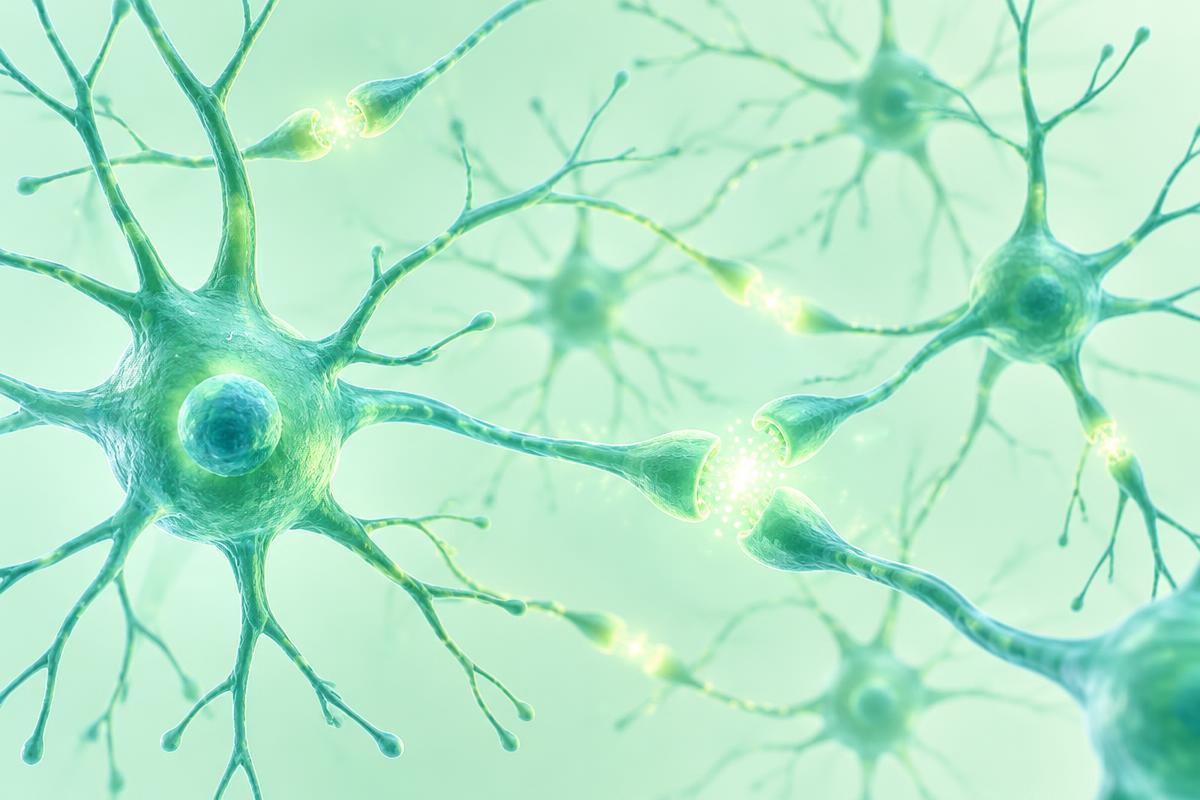
Your brain makes a protein called Brain-Derived Neurotrophic Factor (BDNF). Think of it as fertilizer for your brain: it supports the growth of new neurons and strengthens the connections between them. Research links healthy BDNF levels with learning and memory.
How can you naturally support BDNF?
- Vigorous movement: Walking is great for your joints. Research also suggests that raising your heart rate into a more vigorous zone, such as brisk cycling or swimming, increases BDNF. Check with your doctor before starting harder exercise.
- Novelty: Doing the same crossword every day mostly makes you good at crosswords. Learning something new, like a language, an instrument, or dancing, challenges the brain to build new pathways.
2. Feed the Brain's Neurotransmitters
Your brain is about 2% of your body weight, but it uses roughly 20% of your daily energy. The chemical messengers your neurons use to communicate are built from nutrients in your diet, including amino acids from protein and healthy fats.
Nutrients like choline help support the structure of brain cells. Learn more in our article on Choline-Rich Foods That Support Mitochondrial Health.
To help you plan balanced, protein-rich meals, get the Free Healthy Aging Guide. It covers practical nutrition for adults over 50.
3. The Glymphatic System: Your Brain's Nightly Clean-Up

Scientists have found that the brain has a waste-clearing network called the glymphatic system. During the day, the brain builds up metabolic waste, including a protein called amyloid-beta. Research suggests deep sleep helps the brain clear this waste, and that the system is most active during deep, slow-wave sleep.
This means protecting your memory also means protecting your deep sleep. Read more in Fix Your Sleep Architecture After 50.
- Stop eating about 3 hours before bed: Digestion can keep your body temperature up, and a cooler body helps you fall into deep sleep.
- Create a wind-down routine: Dim lights, keep a cool, dark bedroom, and avoid screens late in the evening.
4. Manage the Stress Hormone
The hippocampus is the part of the brain that forms new memories. When you're stressed, your body releases cortisol. Short bursts are normal and helpful. Long-term high cortisol is linked to changes in the hippocampus.
Daily stress management supports your brain, not just your mood. Ten minutes of meditation, deep breathing, or time outdoors can help lower stress.
The Bottom Line
Memory changes are not an automatic part of turning 50. You can support a sharp, resilient mind by protecting your deep sleep, learning new things, staying active, and eating enough protein and nutrients.
Start today: get the Free Healthy Aging Guide for practical nutrition tips you can use this week.
Sources
- National Institute on Aging: Cognitive Health and Older Adults
- NIH: Brain may flush out toxins during sleep
- CDC: Physical Activity Benefits for Adults
Medical disclaimer: DrAIFIT provides general educational information and is not a medical service. This content does not diagnose, treat, cure, or prevent disease. Speak with a qualified healthcare professional before changing your diet, exercise, supplements, or medications, especially if you have a medical condition or take prescription medication.
Get the Free Healthy Aging Guide
Inside the free guide, you'll find the top protein sources for keeping your muscles strong as you age, simple meal-timing strategies for steady all-day energy, everyday foods that help your body fight inflammation naturally, and the #1 supplement mistake adults over 60 make — all explained in plain language you can put to use this week.
Get the Free Healthy Aging GuideSent straight to your inbox — free, no spam, unsubscribe anytime.
Medical disclaimer: DrAIFIT provides general educational information and is not a medical service. This content does not diagnose, treat, cure, or prevent disease. Speak with a qualified healthcare professional before changing your diet, exercise, supplements, or medications, especially if you have a medical condition or take prescription medication.