Top 5 Expert Approved Benefits of At-Home Red Light Therapy After 60
Published: 9/30/2026
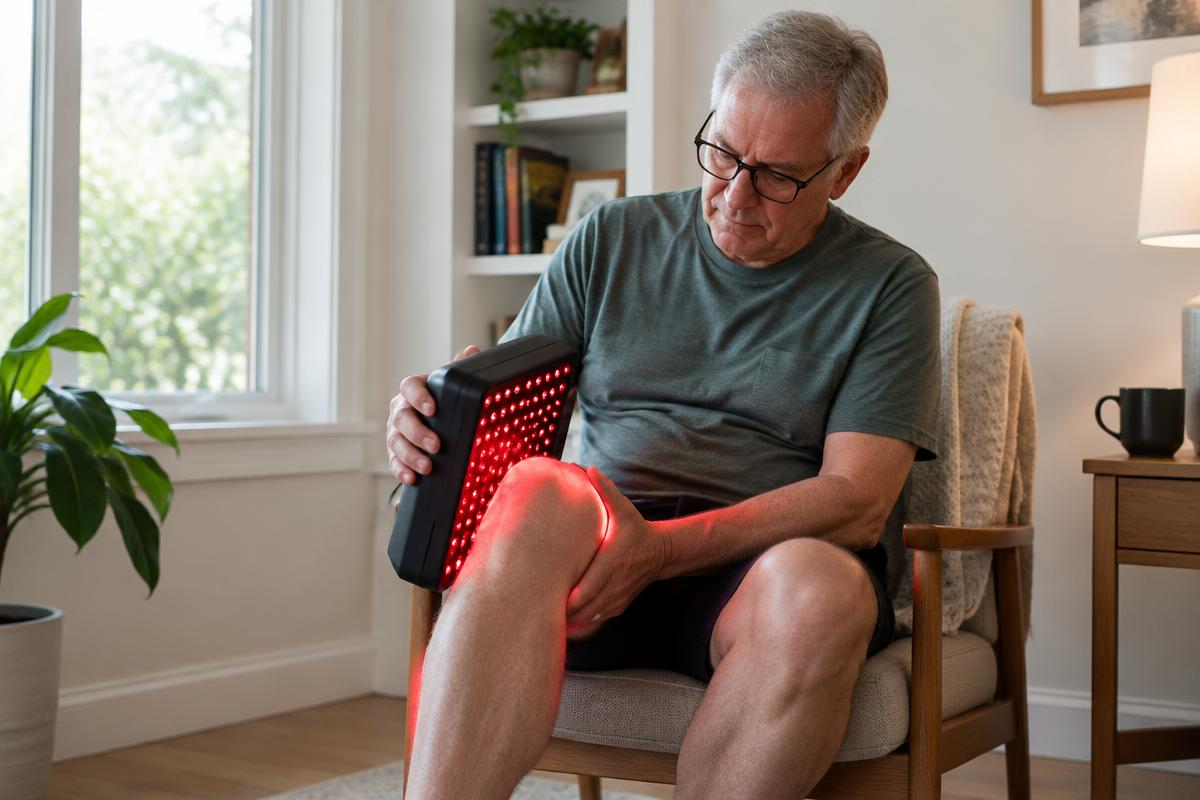
Take an illustrative example: Sarah, a 64-year-old retired nurse. Sarah had always been active, but she found herself frustrated by two things — the slow, aching recovery in her knees after a weekend of gardening, and the thinning, more fragile look of her skin. She did not want to lean on pain medication, and invasive dermatology procedures were not for her.
A friend suggested she look into targeted, at-home LED light therapy. After researching FDA-cleared devices, Sarah began using a handheld unit for about 15 minutes each evening while watching television. Over the following month she felt her skin looked more resilient and her morning stiffness felt lighter. Her experience is one example, not a promise of results — individual responses vary, and light therapy is not a treatment for arthritis or any medical condition.
What Sarah discovered is called photobiomodulation: the study of how specific wavelengths of light interact with cells. If you are looking at non-invasive ways to support your mobility and skin health, here are five reasons adults over 60 are bringing red and near-infrared light therapy home.
1. May support natural collagen production
As we age, the body produces less collagen, which contributes to thinner skin, fine lines, and reduced elasticity. Red light wavelengths — typically around 630 to 660 nanometers — reach the outer layers of skin, where research suggests they stimulate fibroblasts, the cells that make collagen. Studies on consistent use report improvements in the appearance of fine lines and skin texture, without harsh chemicals.
2. May ease mild joint and muscle stiffness
Red light works near the surface. Near-infrared light, around 850 nanometers, penetrates deeper, reaching muscles, tendons, and the tissue around joints. It is widely used in sports medicine and physical therapy because it temporarily increases local blood circulation, delivering oxygen and nutrients to tired tissue. For many adults that translates into easier mornings — though if you have persistent joint pain, swelling, or a diagnosed joint condition, talk with your doctor first.
3. Supports cellular energy (ATP)
Your cells are powered by mitochondria. When red and near-infrared light enter the body, they are absorbed by an enzyme inside those mitochondria. Researchers describe this as a biological spark plug: it appears to stimulate production of adenosine triphosphate (ATP), the energy currency the body uses to repair and renew tissue. If cellular energy interests you, our article on choline-rich foods and mitochondrial health covers the nutrition side of the same story.
4. A safe, non-invasive wellness tool
One of the biggest advantages of LED light therapy is its safety profile. Unlike UV light from the sun or a tanning bed, therapeutic red light contains no ultraviolet rays. With an FDA-cleared device used as directed, the session is painless and non-invasive. It does not carry the stomach, kidney, or interaction concerns that come with regular use of over-the-counter pain relievers.
5. Easy enough to actually stick with
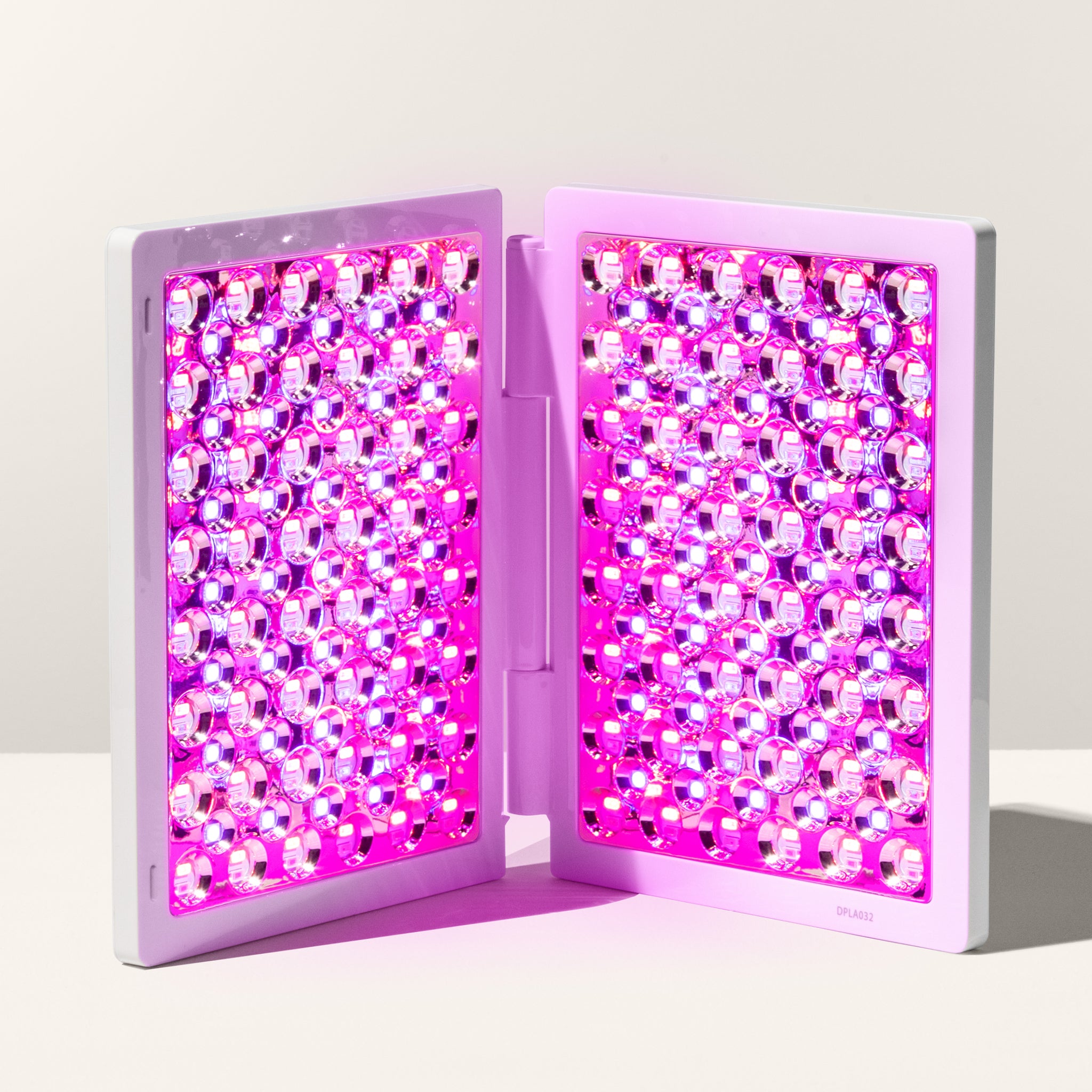
Light therapy used to mean appointments at a dermatology or physical therapy clinic. Today a handheld wand for the face or a larger panel for the back and knees fits into a normal evening at home. Consistency is what makes any healthy habit work — the same principle behind better sleep architecture after 50 and daily habits that lower resting heart rate.
How to evaluate a light therapy device
The market is full of cheap lights that do very little. Here is what to look for:
- FDA clearance. This means the product has been tested for safety and actually emits the wavelengths it claims.
- Both wavelengths. Red light for skin, near-infrared for deeper tissue and joints.
- Eye protection. Bright LEDs can strain the eyes. Quality devices include protective eyewear or safety sensors.
- Session guidance. A clear manual with recommended distance and session length, not vague marketing claims.
Key takeaway
Protecting your independence and confidence as you age usually comes down to the small habits you keep. Used consistently and sensibly, a quality at-home light therapy device is a low-risk way to support your skin's resilience and keep your joints moving comfortably. If you take photosensitizing medication, have a skin condition, or are under care for a joint problem, check with your doctor before you start.
Sources: National Institute on Aging (NIA), National Institutes of Health (NIH), U.S. Food and Drug Administration (FDA).
Where to Look If You Want to Try a Device
If this article sparked your curiosity, we have put together a short, plain-language page about one of the better-known at-home brands, reVive Light Therapy: What to Know Before You Buy. It covers what the company offers, what to check before purchasing, and the questions to ask your doctor first. As always, this is general education, not a medical recommendation.
Get the Free Healthy Aging Guide
Inside the free guide, you'll find the top protein sources for keeping your muscles strong as you age, simple meal-timing strategies for steady all-day energy, everyday foods that help your body fight inflammation naturally, and the #1 supplement mistake adults over 60 make — all explained in plain language you can put to use this week.
Get the Free Healthy Aging GuideSent straight to your inbox — free, no spam, unsubscribe anytime.
Medical disclaimer: DrAIFIT provides general educational information and is not a medical service. This content does not diagnose, treat, cure, or prevent disease. Speak with a qualified healthcare professional before changing your diet, exercise, supplements, or medications, especially if you have a medical condition or take prescription medication.