Top 5 Expert Approved Protein Sources to Prevent Muscle Loss After 60
Published: 9/27/2026

Consider Tom, a 67-year-old grandfather who noticed that carrying grocery bags up the porch steps had quietly become a chore, and getting up from the low couch took two tries. He had not changed much, except that his breakfast was usually just toast and coffee. When he started spreading protein across all three meals and added light strength work, everyday tasks slowly felt lighter. Everyone is different, but his story shows why protein matters more as we age.
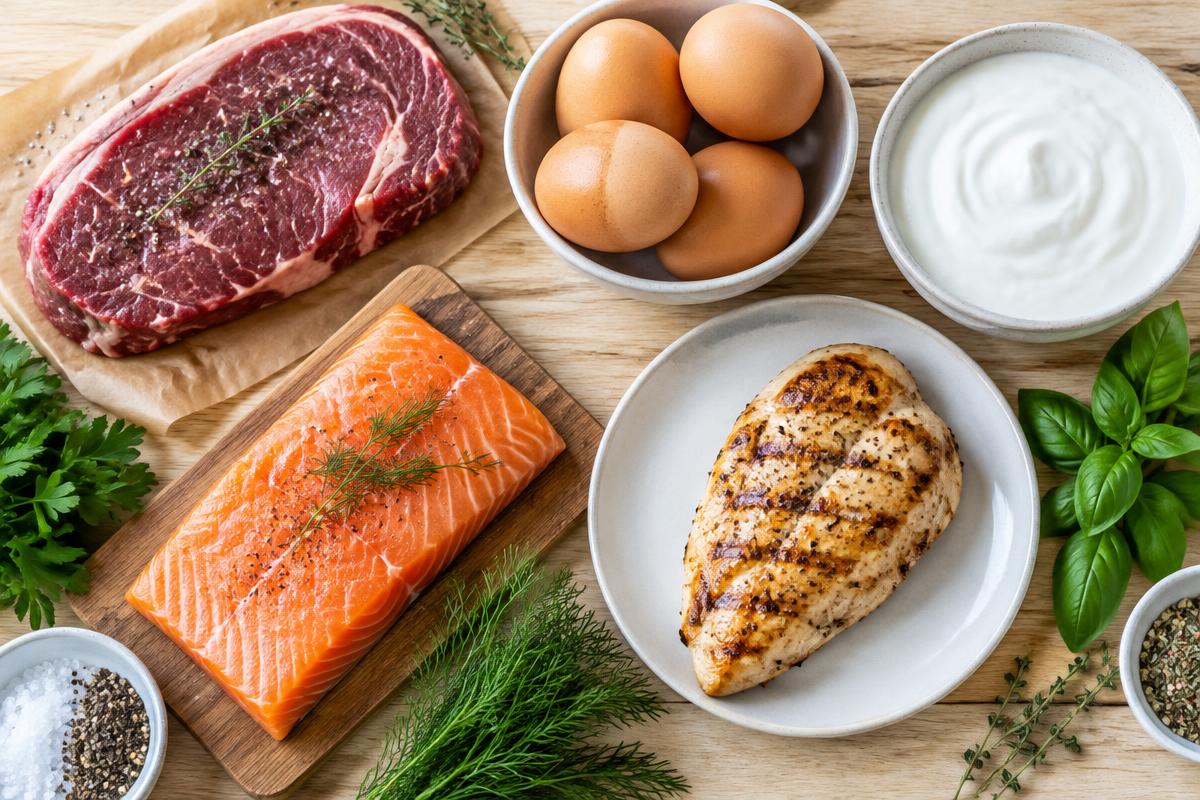
The following foods are among the richest dietary sources of bioavailable protein and essential amino acids. As we age, our bodies become less efficient at using protein, a phenomenon known as anabolic resistance. That makes choosing high-quality, easily absorbed protein sources more important. Approximate values are shown; actual amounts vary by preparation.
1. Grass-Fed Beef
Grass-fed beef is one of the most concentrated dietary sources of leucine, the amino acid that helps trigger muscle protein synthesis. A 4 oz serving delivers roughly 22–26 grams of highly bioavailable protein, making it a useful food for repairing muscle tissue and supporting physical strength.
2. Wild-Caught Salmon
Salmon provides approximately 22–25 grams of protein per 4 oz serving, along with omega-3 fatty acids. This combination supports cellular health and may help ease joint discomfort, helping you stay active while supplying the raw materials needed to maintain muscle mass.
3. Whole Eggs
Whole eggs contain approximately 6–7 grams of protein per egg and have an excellent amino acid score, meaning they contain every essential building block your body needs. The yolk is also rich in choline, which supports brain health and mitochondrial function. Learn more in our guide to choline-rich foods.
4. Greek Yogurt (Plain, Unsweetened)
Greek yogurt offers roughly 15–20 grams of protein per 6 oz serving. It is rich in casein, a slow-digesting protein that provides a steady stream of amino acids over several hours, making it a good choice for a midday snack or evening meal.
5. Chicken Breast
Chicken breast offers approximately 31 grams of protein per 100 grams, making it one of the leanest and most accessible sources available. It is a practical option for building a balanced, high-protein diet without excess calories or saturated fat.
Why protein matters for healthy aging
To understand why this matters, it helps to look at the natural trajectory of aging muscle:
- Starting around age 30, adults can lose roughly 3–8% of their muscle mass per decade, a condition known as sarcopenia.
- After age 60, this decline tends to speed up, increasing the risk of falls, weakness, and loss of independence.
- Muscle helps the body use blood sugar, so losing muscle mass can contribute to poorer metabolic health.
- Research suggests that adequate high-quality protein combined with resistance training may help slow age-related muscle loss.
Building a protein-smart diet
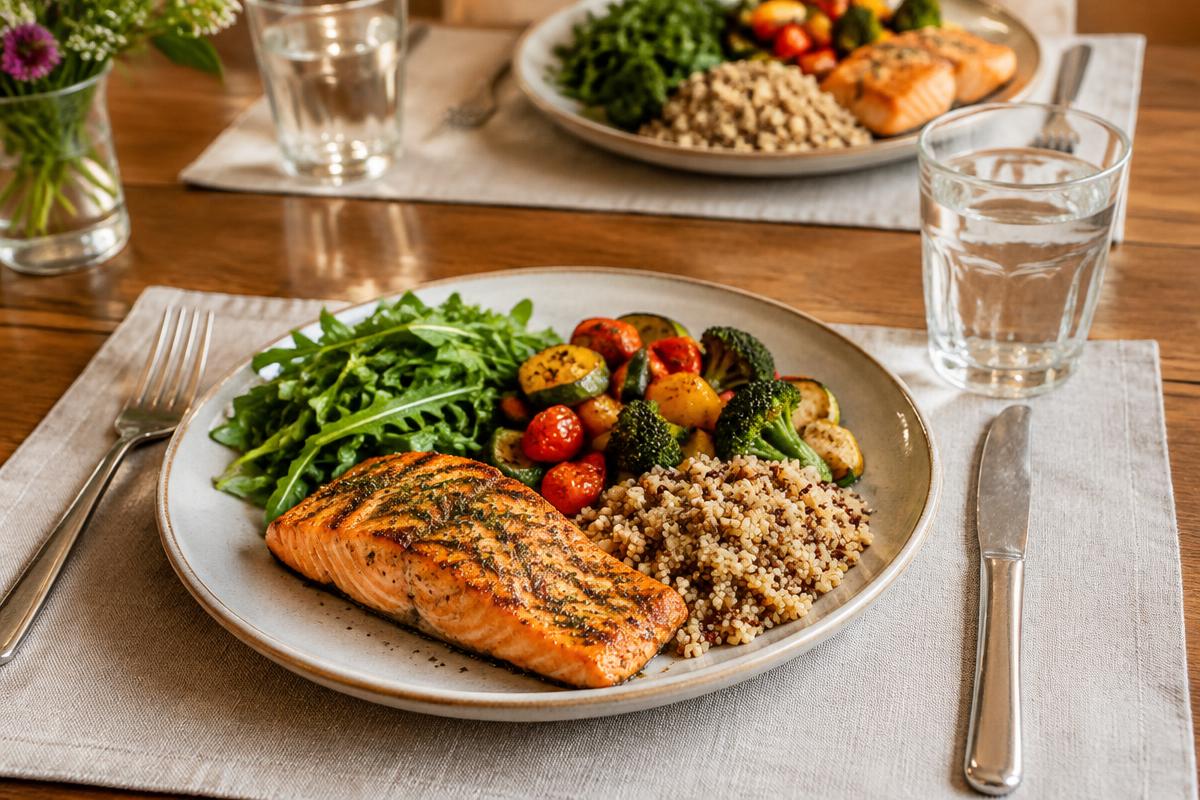
Incorporating these protein-rich foods into your daily meals may help support:
- Muscle preservation
- Bone density
- Metabolic stability
- Immune resilience
- Healthy aging
These foods fit naturally into a balanced, nutrient-dense diet, one that aligns with the DrAIFIT philosophy of science-backed wellness, longevity, and physical strength. If you have kidney disease or other health conditions, talk with your doctor before significantly increasing protein.
Key takeaway for DrAIFIT readers
Protein isn't just for bodybuilders. It is an essential building block for long-term independence. As research continues to uncover how sarcopenia works, one thing is clear: your diet plays an important role in supporting long-term strength, resilience, and healthy aging.
For more practical guidance, read our deep dive on Healthy Weight Management After 60: What Actually Matters.
Sources
Get the Free Healthy Aging Guide
Inside the free guide, you'll find the top protein sources for keeping your muscles strong as you age, simple meal-timing strategies for steady all-day energy, everyday foods that help your body fight inflammation naturally, and the #1 supplement mistake adults over 60 make — all explained in plain language you can put to use this week.
Get the Free Healthy Aging GuideSent straight to your inbox — free, no spam, unsubscribe anytime.
Medical disclaimer: DrAIFIT provides general educational information and is not a medical service. This content does not diagnose, treat, cure, or prevent disease. Speak with a qualified healthcare professional before changing your diet, exercise, supplements, or medications, especially if you have a medical condition or take prescription medication.